November 28, 2018 |13 min read
Natural Flea Remedies for Cats: Safe Ways to Manage Fleas at Home

Written by




Key Takeaways
|
Spotted a flea crawling through your cat’s fur? A flea comb, a gentle bath with cat-safe shampoo, regular vacuuming, and hot-washing bedding can help manage fleas without relying on chemical treatments. These natural flea remedies for cats can reduce adult fleas, but they don’t break the flea life cycle. An infestation may require a vet-approved treatment to prevent fleas from returning.
Some popular homemade solutions can also harm cats, so it’s worth knowing which methods are safe before trying a home remedy for cats with fleas or any other flea treatment for cats at home.
On-Cat Natural Flea Treatments: Safe Ways to Remove Fleas
A flea comb and a careful bath can help remove adult fleas and flea dirt from your cat’s coat. These physical methods offer temporary relief, but they won’t prevent new fleas from appearing.[1][2]

1. Remove Fleas with a Fine-Toothed Flea Comb
A fine-toothed flea comb can catch adult fleas and flea dirt hiding in your cat’s coat. Comb gently around the neck, along the back, under the belly, and near the base of the tail, where fleas often gather.
-
Dip the comb into a bowl of soapy water after each pass to remove and kill trapped fleas.
-
Look for tiny black specks in the comb. Place them on a damp white paper towel. Flea dirt leaves reddish-brown marks when wet.
-
Clean the comb before using it again.
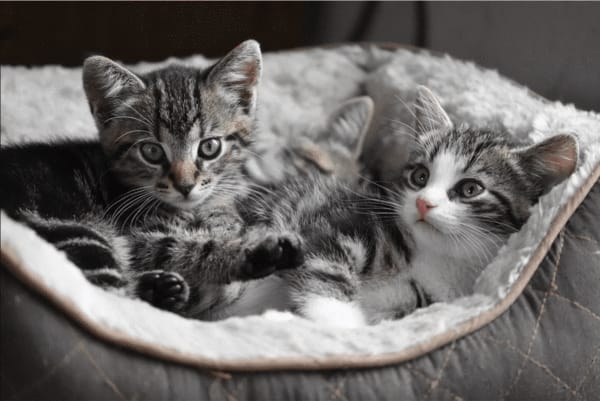
Combing also helps you check your cat for fleas, but won’t clear an established infestation. Take extra care when caring for a kitten, as young cats need age-appropriate flea care.
2. Bathe Your Cat with Cat-Safe Shampoo When Appropriate
A bath can help wash adult fleas and dirt from your cat’s coat, but it won’t provide lasting flea protection. If your cat tolerates bathing, use lukewarm water and a shampoo formulated specifically for cats. Rinse thoroughly and dry your cat gently with a towel.
Skip the bath if your cat becomes distressed, feels unwell, or is too young to tolerate it safely. Kittens and senior cats may need extra care, so check with your veterinarian first. Avoid homemade mixtures, essential oils, and dog-specific flea shampoos, which may contain ingredients that harm cats.
Environmental Flea Control: Natural Ways to Remove Fleas from Your Home
Fleas can leave eggs and developing stages in carpets, bedding, and other places your cat likes to rest. Regular household cleaning helps remove these hidden fleas and supports the physical treatments you use on your cat.[1][3]
3. Vacuum Carpets, Furniture, and Flea-Prone Areas
Vacuuming helps pick up flea eggs, larvae, and some adult fleas hiding around your home. Pay extra attention to places your cat naps or spends time.
-
Vacuum carpets, rugs, upholstered furniture, under cushions, and along baseboards.
-
Clean cracks, crevices, and spaces beneath beds and sofas where flea debris can collect.
-
Empty the vacuum canister into a sealed bag and dispose of it outside. If you use a vacuum bag, seal and discard it promptly.
-
Repeat vacuuming regularly, as more fleas may emerge from protected stages in the home.
4. Wash Cat Bedding and Household Fabrics
Your cat’s favorite blanket or sleeping cushion can harbor flea eggs and developing fleas. Wash these items regularly to reduce the number of fleas in your home.
-
Wash cat beds, blankets, removable cushion covers, and washable rugs in hot water, following the fabric-care instructions.
-
Use a high-heat dryer setting if the material allows it.
-
Include bedding from other places your cat likes to nap, such as sofas, laundry baskets, and your own bed.
Repeat laundering as needed during an infestation. Clean bedding also gives your cat a fresh, comfortable place to rest.
5. Steam Clean Carpets and Upholstery
Steam cleaning can help kill fleas and their developing stages in carpets and upholstered surfaces. It adds another layer of environmental control, particularly in areas where your cat spends a lot of time.
-
Focus on carpets, rugs, and upholstery around your cat’s favorite sleeping spots.
-
Follow the steam cleaner’s instructions and check fabric-care guidance before treating delicate materials.
-
Keep your cat away from damp or freshly treated surfaces until they have dried completely and are safe to use again.
Steam cleaning only treats the environment. You’ll still need to remove fleas living on your cat.
Natural Ways to Reduce Fleas in Your Yard and Outdoor Spaces
Fleas can develop in sheltered outdoor spots where cats, wildlife, and other animals spend time. Keeping these areas maintained may reduce your cat’s exposure to fleas, although yard care alone cannot guarantee protection.[3][4]

6. Keep Grass Short and Remove Outdoor Debris
Overgrown grass, fallen leaves, and piles of organic debris can create sheltered spots where fleas develop, especially in areas animals frequently visit. A little yard maintenance can make these spaces less inviting.
-
Mow overgrown grass regularly, particularly around outdoor pet-resting areas and pathways.
-
Rake up fallen leaves and remove accumulated plant debris from corners and along fences.
-
Clear unused items and clutter that create sheltered spaces near your home.
Focus on areas where animals spend time rather than treating the entire yard.
7. Reduce Shaded, Damp Areas Where Fleas Thrive

Flea larvae develop best in humid, sheltered environments protected from direct sunlight. Check areas beneath decks, around outdoor structures, and near your cat’s favorite resting spots for excess moisture.
-
Improve airflow around enclosed outdoor spaces where possible.
-
Fix leaks and drainage problems that keep the ground unnecessarily damp.
-
Keep outdoor pet shelters dry and well-ventilated.
Shade alone doesn’t mean fleas are present. Your cat still needs cool, shaded places to rest during hot weather, so focus on managing excess moisture rather than removing shade.
8. Limit Wildlife and Stray Animal Access
Wildlife and stray animals can carry fleas into your yard, leaving behind eggs in places where they rest. Reducing what attracts these animals can help limit new flea sources.
-
Secure garbage bins and promptly clean up spilled food.
-
Avoid leaving pet food outdoors, especially overnight.
-
Close off accessible spaces beneath decks, sheds, and porches where animals may shelter, after confirming no animals are inside.
If wildlife regularly visits your property, contact a local wildlife professional for guidance rather than approaching or attempting to trap the animals yourself.
What Causes Fleas in Cats, and How Do Cats Get Them?
Cats can pick up fleas through contact with infested animals or environments where fleas live and develop. Outdoor spaces, other household pets, carpets, and bedding can all expose your cat to these parasites.
Once fleas enter your home, their life cycle makes them difficult to eliminate. Female fleas lay eggs that fall into the environment. These eggs hatch into larvae, which develop into pupae before emerging as adult fleas. The pupal stage can remain protected in its surroundings until conditions are right for adult fleas to emerge.
This means fleas can reappear on your cat even after you’ve removed the visible adults from their coat.[1][5]
When Are Natural Flea Remedies Not Enough?
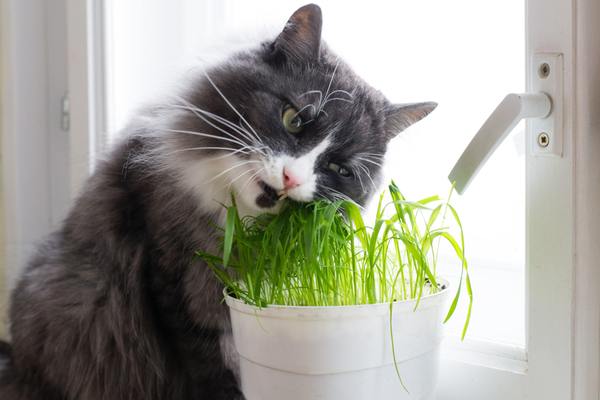
Natural methods can reduce visible fleas, but they may not clear an established infestation or prevent new fleas from emerging. Moreover, Plant-based products aren’t automatically safe for cats. Some household plants can also cause health problems if chewed or swallowed. If you enjoy keeping greenery at home, explore our guide to cat-safe plants before introducing new plants to your space.
Persistent infestations can lead to flea allergy dermatitis, anemia, and tapeworm infections. Contact your veterinarian if your cat keeps scratching, develops inflamed skin or loses hair. Weakness or pale gums need urgent veterinary attention, especially in kittens, which face a higher risk of flea-related anemia.[1][6]
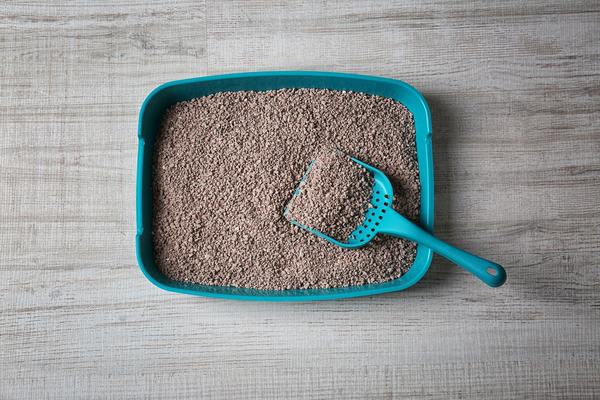
Alongside watching for visible symptoms, health-monitoring cat litter can also help you keep track of certain urine changes that may warrant a conversation with your veterinarian.
How to Recognize and Manage Flea Bite Irritation
Does your cat keep scratching, licking, or biting the same patch of skin? Flea bites can cause redness, small bumps, scabs, and hair loss. Persistent itching, flaky skin, or unusual patches of hair loss can have several causes, so it’s worth learning about cat dandruff and other skin conditions that may affect your cat.
Some cats develop Flea Allergy Dermatitis (FAD), an allergic reaction to proteins in flea saliva. Even a few bites can trigger intense itching in sensitive cats, leading to sores and damaged skin. If your cat also scratches around their ears or frequently shakes their head, ear mites may be another possibility worth discussing with your veterinarian.
If irritation persists or you notice scabs or bald patches, arrange a veterinary checkup. Your vet can identify the cause and recommend appropriate treatment. Avoid applying homemade balms to irritated skin.
How to Prevent Fleas on Cats Naturally and Safely
A consistent prevention plan can help keep fleas from returning. Ask your veterinarian about cat-specific flea preventives suited to your cat’s age, weight, and health. Check your cat’s coat regularly, especially after time outdoors or contact with other animals.
Indoor cats can pick up fleas too, as these pests can enter your home on other pets, clothing, or belongings. Make sure every household pet receives appropriate flea protection to reduce the risk of reinfestation.
Good nutrition also supports healthy skin and a strong coat. Feed your cat a balanced, complete diet that meets their nutritional needs. PrettyPlease cat food can be part of a well-rounded feeding routine, but no particular food or ingredient can reliably repel fleas. Diet supports overall health; veterinary-approved preventives provide flea protection.

Natural Flea Remedies for Cats FAQs
What kind of vinegar kills fleas on cats?
No type of vinegar, including apple cider vinegar or white vinegar, reliably kills fleas on cats. Vinegar may irritate your cat’s skin, especially if applied directly or in concentrated form. Spraying it on your cat won’t clear an infestation. Use a flea comb to remove visible fleas and ask your veterinarian about effective flea control.
How do you get rid of fleas on cats naturally?
Use a fine-toothed flea comb to remove adult fleas and bathe your cat with a suitable cat-safe shampoo if they tolerate it. Vacuum carpets and furniture, and wash pet bedding regularly. These methods reduce flea numbers but don’t break the flea life cycle. Established infestations usually need a veterinarian-recommended flea preventive.
What is a homemade recipe to kill fleas on cats?
There isn’t a proven homemade recipe that safely eliminates fleas on cats. Vinegar sprays, essential oil mixtures, and garlic preparations are ineffective or potentially harmful. Instead, remove visible fleas with a flea comb, clean your cat’s bedding, and vacuum regularly. Ask your veterinarian to recommend a cat-safe flea treatment for lasting control.
What’s the best natural flea killer?
A fine-toothed flea comb is one of the safest natural ways to remove adult fleas from your cat’s coat. Regular vacuuming and washing pet bedding also help reduce fleas around your home. However, these methods don’t provide lasting protection. Your veterinarian can recommend a flea preventive that suits your cat’s age and health.
Does salt kill fleas on cats?
Salt is sometimes promoted as a homemade flea treatment, but there is no reliable evidence that it safely eliminates fleas on cats. Avoid rubbing salt into your cat’s coat or using homemade salt mixtures. Your cat may ingest residue while grooming. A flea comb and veterinarian-approved flea preventive offer safer, more dependable options.
Does baking soda kill fleas on cats?
Baking soda is sometimes suggested as a natural flea remedy, but there is no reliable evidence that it eliminates fleas or controls an infestation. Avoid applying it to your cat’s coat or making homemade flea mixtures. Focus on flea combing, regular household cleaning, and veterinary-approved flea prevention instead.


