October 14, 2026 |13 min read
Cat Dandruff: Causes, Treatment, and When to See a Vet

Written by




Key Takeaways
|
A few white flakes on your cat’s fur might seem harmless, especially if you spot them on a dark blanket or your favorite black shirt. But cat dandruff can have several causes. Dry skin is one possibility, but parasites, allergies, grooming difficulties, infections, and underlying health problems can also lead to flaky skin. So, pay attention to what else is happening with your kitty. Changes in grooming, itching, coat condition, appetite, or behavior can offer useful clues.
In this guide, we’ll look at the common causes and symptoms of dandruff, how it differs from dander and flea dirt, the role of diet, treatment options, veterinary diagnosis, and when it’s time to call your vet.
What Is Cat Dandruff?
Cat dandruff is visible white or gray flakes of shed skin that accumulate in a cat’s coat.
Yes, cats can get dandruff, and you may notice flakes along the back or near the base of the tail. Some skin shedding is normal, but excessive or persistent flaking can point to dry skin, irritation, parasites, or another health concern. Dandruff can have several causes and does not automatically mean your cat has seborrhea, a broader skin condition involving abnormal skin-cell turnover.[1][2]
What Causes Cat Dandruff?
Cat dandruff can develop for several reasons, from dry indoor air and grooming difficulties to allergies, parasites, infections, or an underlying illness. Finding the cause matters because the right cat dandruff treatment depends on what is triggering the skin changes.[1][2][3][4][5][6][7]
Dry Skin and Dehydration
Dry indoor air, especially during colder months, can contribute to flaky skin. Your cat also needs enough water to support normal body functions and overall health.
-
Keep fresh, clean water available in easy-to-reach spots.
-
If your cat does not drink much, ask your veterinarian if adding moisture-rich food could help increase water intake.
Allergies
Cats can develop skin reactions to environmental allergens such as pollen and dust mites. Food allergies can also cause itchy skin and coat changes. Signs may include:
-
Frequent scratching, licking, or overgrooming
-
Red or irritated skin
-
Changes in the coat from repeated self-trauma
Dandruff alone does not confirm an allergy. Your veterinarian may need to investigate your cat’s history and symptoms to identify the trigger.
Difficulty Grooming
Healthy cats naturally groom their coats, removing loose hair and skin while spreading oils across the skin. Arthritis, obesity, pain, or reduced mobility can make this harder, especially around the back. A dull, greasy, or flaky coat may develop when a cat cannot groom normally.
If poor grooming persists, addressing the reason behind it matters more than focusing on the coat alone. A veterinarian can help determine if pain, mobility problems, or another health issue is getting in your cat’s way.
Fleas and Mites
Fleas and mites can irritate the skin and trigger itching, scaling, and excessive grooming. One mite deserves special attention: Cheyletiella, often called “walking dandruff,” can cause flaky, bran-like skin debris that appears to move because of mite activity. Suspected parasite infestations need veterinary diagnosis and cat-safe treatment.
Bacterial and Fungal Skin Infections
Bacterial infections and fungal conditions such as ringworm can cause scaling and other skin changes. Look for redness, crusting, irritation, or patches of missing hair alongside the flakes.
Ringworm deserves prompt attention because it can spread between cats, other animals, and people. Your veterinarian can confirm the diagnosis and recommend appropriate treatment and hygiene measures.
Underlying Health Conditions
Some internal illnesses can affect a cat’s skin and coat. Diabetes and hyperthyroidism, for example, may occur alongside changes in coat quality. Watch for other changes, such as:
-
Weight loss or gain
-
Increased thirst or urination
-
Changes in appetite or activity
Dandruff accompanied by these signs warrants a veterinary evaluation because treating the underlying condition may be necessary to improve the skin problem.
Primary Seborrhea
Primary seborrhea is an uncommon inherited disorder that affects normal skin-cell turnover and can cause excessive scaling. Veterinary references report an association with Persian cats. More often, seborrhea is secondary to another problem, such as allergies, parasites, infections, hormonal disease, or difficulty grooming.
What Are Symptoms of Cat Dandruff?
Cat dandruff usually appears as visible white or gray flakes in your cat’s fur, bedding, or favorite sleeping spots. You may notice it most around the back or near the base of the tail. Pay attention to whether the flaking stays in one area or appears across the coat.
Other changes, such as frequent scratching, licking, hair loss, irritated skin, or reduced grooming, can provide additional clues about what your cat is experiencing. Changes in normal behavior may also suggest discomfort or an underlying health issue.[1][8]
Symptom |
What Cat Parents Should Look For |
|
Visible Flakes |
White or gray flakes on the fur, bedding, or furniture |
|
Excessive Scratching |
Frequent itching, licking, or biting at the skin |
|
Redness or Scabs |
Inflamed skin, crusting, or visible irritation |
|
Hair Loss |
Bald patches or thinning fur alongside flaking |
|
Reduced Grooming |
An unkempt, greasy, or dull-looking coat |
Cat Dandruff vs. Cat Dander vs. Flea Dirt
White flakes in your cat’s coat can be easy to misidentify. Cat dandruff consists of visible flakes of shed skin, while dander refers to tiny skin particles that cats naturally shed. Flea dirt looks like small dark specks and is actually digested blood left behind by fleas.
Feature |
Cat Dandruff |
Cat Dander |
Flea Dirt |
|
Visibility |
Visible to the naked eye |
Usually too small to see individually |
Visible to the naked eye |
|
Appearance |
White or gray flakes |
Tiny skin particles |
Black or dark-brown specks resembling ground pepper |
|
What It Is |
Accumulated dead skin cells |
Naturally shed skin particles |
Digested blood excreted by fleas |
|
Health Significance |
May be linked to dry skin, grooming difficulties, or health conditions |
Normal skin shedding; can carry allergens |
Indicates fleas are present or may have been present |
Quick Identification Tip: If you suspect flea dirt, place some of the dark specks on a damp white paper towel. A reddish-brown stain suggests flea dirt because it contains digested blood.
Can Diet Impact Cat Dandruff?
A complete and balanced diet supports your cat’s skin and coat by providing adequate protein, essential fatty acids, vitamins, and minerals. Nutritional deficiencies or an unsuitable diet can contribute to poor coat quality and skin problems, but cat dandruff alone does not mean your cat has a dietary deficiency.
Hydration matters, too, so keep fresh water available and ask your veterinarian whether moisture-rich food could benefit your cat. Omega-3 fatty acids may support healthy skin, but talk with your veterinarian before adding supplements or making major dietary changes. If you’re also watching your cat’s digestive health, changes in appetite or digestion may provide additional information about their overall health.[3]
How to Treat Cat Dandruff
The best way to get rid of cat dandruff depends on what is causing the flakes. Mild cases may improve with basic coat and environmental care, while allergies, parasites, infections, or other conditions may need veterinary treatment.
Brush Your Cat Regularly
Gentle brushing can remove loose hair and dead skin while helping maintain a healthy coat. Choose a brush that suits your cat’s coat and that they tolerate comfortably. If the skin looks painful, inflamed, or infected, check with your veterinarian before grooming the affected area.
Maintain Proper Hydration and Humidity
Keep fresh water available throughout the day. If dry indoor air seems to be contributing to flaky skin, a humidifier may help add moisture to the environment. Keep your cat’s living spaces clean and comfortable as well.
Review Your Cat’s Diet
Feed a complete and balanced diet that meets your cat’s nutritional needs. If your veterinarian suspects a dietary issue, they may recommend a diet change or an appropriate fatty acid supplement. Avoid adding supplements or making major dietary changes without veterinary guidance.
Use Veterinarian-Recommended Skin Treatments
Some cats may need medicated shampoos or other topical treatments formulated specifically for feline skin. Bacterial, fungal, and parasitic conditions may require prescription medication or targeted treatment. Avoid using human dandruff shampoos, essential oils, or unapproved home remedies, as products designed for people may not be safe for cats.
When to See a Vet for Cat Dandruff
Mild, occasional flaking may improve with basic grooming and environmental changes. But persistent or worsening cat dandruff deserves a closer look. Arrange a veterinary appointment if flaking continues for more than a couple of weeks or if your cat develops excessive itching, hair loss, redness, scabs, swelling, an unusual skin odor, or signs of parasites.
Also watch for changes in appetite, drinking, urination, weight, activity, or grooming habits. These changes can provide clues that something beyond dry skin may be affecting your cat. If you notice signs that something’s wrong with your cat, contact your veterinarian sooner. Severe lethargy, repeated vomiting, or other signs of significant illness warrant prompt veterinary assessment.[1]
How Vets Diagnose Cat Dandruff
A veterinarian will first review your cat’s medical history, diet, grooming habits, parasite prevention, and other symptoms. They’ll examine the skin and coat for scaling, inflammation, hair loss, parasites, or signs of infection. Depending on those findings, they may recommend targeted tests.[1]
|
Diagnostic Test |
What It Helps Investigate |
|
Skin Scraping or Hair Examination |
Mites and other skin parasites |
|
Skin Cytology or Culture |
Bacterial or fungal infections |
|
Fungal Testing |
Ringworm |
|
Blood Tests |
Systemic illnesses such as diabetes or hyperthyroidism |
|
Allergy Evaluation |
Possible environmental or dietary triggers |
Your cat will not necessarily need every test. The veterinarian will choose investigations based on the examination and the suspected cause. This targeted approach helps identify what is driving the skin changes rather than treating the flakes alone.
Keeping Your Cat’s Skin, Coat, and Overall Health on Track
Healthy skin and a glossy coat depend on more than grooming. A complete, balanced diet, good hydration, preventive veterinary care, and attention to everyday changes can all support your cat’s overall well-being. Some underlying conditions, including kidney disease, can affect more than the skin and coat and may also change drinking or urination habits. Paying attention to cat UTI signs can also help you recognize changes in your cat’s bathroom routine.
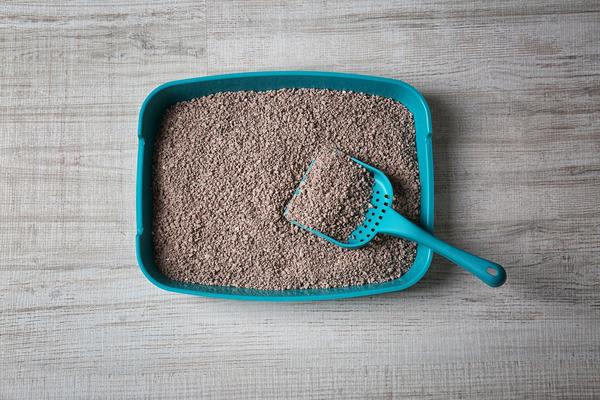
A clean, comfortable litter box makes those habits easier to observe. Health monitoring litter, including PrettyLitter’s color-changing technology, can help you notice certain urine changes and track everyday litter box habits. PrettyLitter does not diagnose diabetes, hyperthyroidism, dandruff, or its underlying causes, so unusual symptoms still need veterinary assessment.

Cat Dandruff FAQs
Is cat dandruff just dry skin shedding?
Cat dandruff consists of visible flakes of shed skin, but dry skin is only one possible cause. Persistent or excessive flaking may also result from allergies, parasites, grooming difficulties, infections, or underlying health conditions.
Cat dandruff or flea dirt?
Cat dandruff usually appears as white or gray flakes, while flea dirt looks like small black or dark-brown specks. Flea dirt is digested blood and may indicate that fleas are present or were recently present.
How do I get rid of cat dandruff?
The best cat dandruff treatment depends on its cause. Gentle grooming, proper hydration, balanced nutrition, and suitable humidity may help mild cases, while allergies, parasites, infections, or illness may require veterinary treatment.
Is cat dandruff contagious to other pets or people?
Cat dandruff itself is not generally contagious. However, some conditions that cause flaky skin, such as ringworm or certain mites, can spread to other animals or people and require veterinary diagnosis and appropriate treatment.
How can you tell the difference between cat dandruff and flea dirt?
Cat dandruff appears as white or gray skin flakes, while flea dirt looks like dark pepper-like specks. Place suspected flea dirt on a damp white paper towel; reddish-brown staining suggests digested blood from fleas.


