
April 26, 2024 |14 min read
Why Is My Cat Peeing on My Clothes? 7 Reasons and How to Stop It

Written by




Key Takeaways
|
Finding cat pee on your favorite shirt or a pile of laundry can be frustrating, but your cat isn't doing it out of spite. If you are wondering, “why is my cat peeing on my clothes?”, the answer often comes down to comfort, familiar scents, litter box problems, stress, territorial behavior, or an underlying medical issue.
This guide explains the most common reasons behind this behavior, when it's time to call your veterinarian, how to prevent future accidents, and the best way to remove cat urine odor from clothing.
Why Is My Cat Peeing on My Clothes?
If your cat is peeing on your clothes, the most common reasons are comfort and scent-seeking behavior, litter box avoidance, or an underlying medical condition.
Veterinarians refer to urinating outside the litter box as inappropriate urination or periuria. It doesn't always point to a behavioral problem, so it's important to consider both your cat's environment and health. If this behavior starts suddenly or your cat is straining to urinate, making frequent trips to the litter box, or has blood in their urine, schedule a veterinary visit as soon as possible to rule out urinary tract disease or other medical concerns.[1]
7 Reasons Your Cat Pees on Your Clothes
If your cat has started using your laundry instead of the litter box, the behavior usually follows a pattern. Looking at when it happens, where it happens, and what has changed recently can help you narrow down the cause.
Here are seven common reasons why cats pee on clothes and what you can do about each one:
1. Your Scent Is Comforting to Them
Cats rely on scent to make sense of their surroundings. Clothes you've recently worn carry your familiar scent, which can help your cat feel safe, especially during times of stress or uncertainty. Soft fabrics also feel comfortable under their paws, making a pile of laundry more appealing than you might expect.
If your cat targets worn clothes or laundry left on the floor, they may be seeking comfort rather than avoiding you.
What you can do:
-
Store dirty laundry in a closed hamper instead of leaving it on the floor.
-
Wash any soiled clothing promptly with an enzyme cleaner to remove lingering odors.
-
Make sure your cat has other cozy resting spots, such as soft beds or blankets.
2. Urinary Tract Infection (UTI) or Bladder Stones
If your cat keeps peeing on your clothes, one of the first things to rule out is a medical problem. In some cases, the answer is discomfort caused by a Urinary Tract Infection (UTI), Feline Idiopathic Cystitis (FIC), bladder stones, or other forms of urinary inflammation. Cats may start associating the litter box with pain and look for softer places to urinate instead.
Watch for signs such as:
-
Frequent trips to the litter box
-
Straining or crying while urinating
-
Blood in the urine
-
Excessive licking around the genital area
-
Urinating only small amounts
If you notice any of these signs, contact your veterinarian promptly. You can also learn more about urinary tract infections in cats and bladder stones in cats to understand how these conditions affect their litter box habits.
3. Stress, Anxiety, or Environmental Changes
Cats often respond to change more than we realize. A move, a new baby, another pet, owner travel, rearranged furniture, or even a different daily routine can make a cat feel unsettled. Stress-related urination sometimes begins days or even weeks after the trigger, so think back over the previous two to four weeks if the behavior seems sudden.
What you can do:
-
Keep feeding and playtime on a consistent schedule.
-
Provide quiet hiding spots and vertical spaces.
-
Consider pheromone products if your veterinarian recommends them.
4. Litter Box Hygiene or Placement Issues
Cats prefer a clean, quiet place to do their business. A litter box that's dirty, difficult to reach, or placed in a busy area may send them looking elsewhere.
A few simple changes can make a big difference:
-
Scoop the litter box at least once a day.
-
Provide one litter box per cat, plus one extra.
-
Place boxes away from noisy appliances or high-traffic areas.
Review the best places to put a litter box if you're unsure whether the current location is working.
5. Territorial Marking / Urine Spraying
Not every accident is the same. Territorial marking usually involves spraying small amounts of urine onto vertical surfaces like walls or furniture, while normal urination leaves a larger puddle on horizontal surfaces, including clothes on the floor.
This behavior is more common in multi-cat households, where cats compete by leaving scent messages. Even neutered or spayed cats may mark under stressful circumstances. Learning more about territorial cat behavior can help you identify the difference and choose the right solution.
6. Litter Box Type or Litter Preference
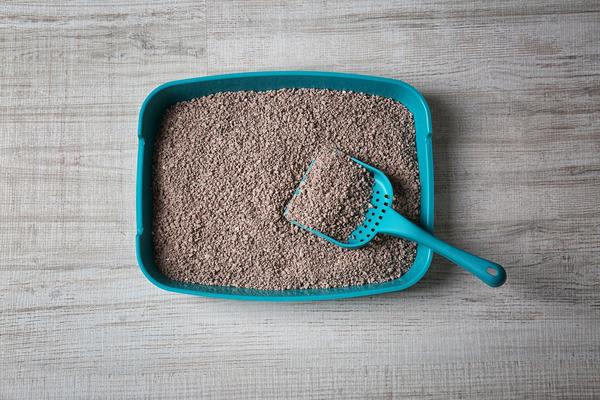
Even a clean litter box may not appeal to every cat. Some dislike covered boxes because they trap odors, while others avoid certain litter textures, depths, or strong fragrances. If the litter box feels uncomfortable, soft laundry can become the preferred alternative.
If you're troubleshooting, try changing one factor at a time and see how your cat responds. Comparing scented vs. unscented litter can also help you find a setup your cat prefers.
7. Physical Pain or Mobility Issues (Senior Cats)
Senior cats may struggle to use the litter box because of arthritis, joint pain, reduced mobility, or age-related cognitive changes. Stepping over high sides or walking to a distant litter box can become uncomfortable, making nearby clothing an easier option.
If an older cat suddenly starts urinating outside the litter box, schedule a veterinary examination. Simple adjustments, such as a low-entry litter box or moving it closer to your cat's favorite resting area, may help.
Finding the reason behind your cat's behavior is the first step toward stopping it. Once you identify the most likely cause, you can make targeted changes that help your cat feel comfortable using the litter box again.
Male vs. Female Cat: Does It Make a Difference?
Male and female cats can both pee on clothes, but the reasons behind the behavior may differ. While sex can influence certain patterns, stress, litter box setup, and health issues usually have a greater influence than sex.
Why Male Cats (Including Neutered) Pee on Clothes
Male cats are more likely to urine mark, especially if they feel the need to establish territory. Neutering significantly reduces this behavior, but it doesn't always eliminate it. A neutered male cat may still pee on clothes if the habit has already formed or if another trigger is present.
Common reasons include:
-
Territorial spraying, particularly in multi-cat households
-
Stress caused by changes at home or conflicts with other pets
-
Habit formation after previous accidents
-
Medical conditions such as urinary tract disease or bladder inflammation
Why Female Cats Pee on Clothes
Female cats are less likely to spray for territory, but they can still urinate outside the litter box when something isn't right. Urinary discomfort, FIC, and stress-related urination are among the most common causes.
Although spaying reduces hormone-driven marking, some spayed females may still urine mark in response to stress or changes in their environment.
Why Did My Cat Pee on My Clothes Right in Front of Me?
It may feel personal, but cats don't urinate on clothes to get revenge. This behavior usually points to discomfort or a problem they need help with. For example, your cat may pee on clothes in front of you if:
-
They're experiencing pain while urinating and can't make it to the litter box.
-
The litter box feels dirty, inaccessible, or unpleasant.
-
A recent change, such as moving, travel, or a new pet, has left them feeling stressed.
If this behavior appears suddenly or happens more than once, look for other changes in your cat's routine or health and schedule a veterinary visit if needed.
Understanding these differences can help you narrow down the cause, but the solution always starts with identifying what's changed in your cat's health, environment, or daily routine.
How to Stop Your Cat from Peeing on Clothes
Once you know what’s causing the behavior, you can take steps to help your cat return to using the litter box consistently. The key is to address the underlying issue rather than the accident itself. A combination of medical care, environmental changes, and good litter box habits often delivers the best results.
Step 1: Rule Out Medical Issues with a Vet Visit
If your cat suddenly starts peeing on clothes, schedule a veterinary visit before trying behavioral solutions. UTI, FIC, bladder stones, and other urinary conditions can make urination painful and lead to accidents outside the litter box. Early treatment can prevent complications and help your cat feel better sooner.
Step 2: Address Stress and Environmental Triggers
Most cats are more comfortable with a consistent daily routine. If something has changed at home, help your cat feel secure by:
-
Keeping feeding, playtime, and bedtime on a consistent schedule
-
Providing scratching posts, climbing spaces, and quiet hiding spots
-
Using veterinarian-recommended cat pheromone products or other calming aids when appropriate
-
Limiting sudden changes whenever possible
Step 3: Fix Litter Box Setup
Even small changes to the litter box can make a big difference. Start with these basics:
-
Provide one litter box per cat, plus one extra.
-
Place boxes in quiet, easy-to-access locations.
-
Scoop waste daily and wash the box regularly.
-
Choose a low-scent environment and a litter your cat is comfortable using.
Step 4: Keep Clothes Off the Floor
If your cat has already urinated on clothing, the lingering scent can attract them back to the same spot. To avoid this, build a few simple habits:
-
Store dirty laundry in a covered hamper.
-
Keep bedroom and closet doors closed if needed.
-
Wash soiled clothing promptly with an enzyme cleaner to break down urine proteins.
Step 5: Use Cat-Safe Deterrent Scents Near Laundry
Some cats hate and avoid scents such as citrus. But deterrents should only be used around the laundry area, not directly on clothing or your cat. If you're considering this approach, learn more about smells cats hate and choose pet-safe options that won't cause irritation.
Step 6: Consider Calming Aids and Behavioral Support
If the behavior continues after medical issues have been ruled out, focus on long-term stress management. Regular interactive play, puzzle feeders, environmental enrichment, and pheromone support can help reduce anxiety and encourage healthy litter box habits.
Be patient. Lasting behavior changes often take time.
Why You Should Never Use Ammonia or Bleach on Cat Urine
Avoid cleaning cat urine with ammonia-based products because the smell can resemble urine and encourage repeat marking. Never mix bleach with cat urine either. Urine contains ammonia compounds, and combining it with bleach may release irritating chloramine gases that can be harmful to both people and pets. Instead, use an enzyme cleaner designed to remove cat urine safely and completely.
Finding the right solution may take a little trial and error, but most cats return to consistent litter box habits once the underlying cause is addressed. The sooner you identify what's driving the behavior, the easier it is to prevent future accidents.
How PrettyLitter Can Support
Keeping the litter box clean and comfortable can encourage consistent litter box habits, and PrettyLitter health-monitoring cat litter is designed to help make that easier. Its lightweight, low-dust formula and odor control help create a more inviting litter box environment, while the color-changing litter can help you notice changes in your cat's urine that may indicate potential health concerns.
Although PrettyLitter doesn't diagnose illness, it can prompt you to seek veterinary advice sooner if something seems unusual. Combined with a clean litter box, regular scooping, and routine veterinary care, it can be a helpful part of monitoring your cat's urinary health and supporting long-term litter box success.

Cat Peeing on Clothes FAQs
Is cat peeing on clothes a sign of illness?
Sometimes. Cats may urinate on clothes because of a UTI, bladder stones, FIC, or other medical conditions. If your cat also strains to urinate, has blood in their urine, or urinates frequently, contact your veterinarian promptly.
Why is my cat peeing on clothes on the floor?
Clothes on the floor combine soft textures with your familiar scent, which can comfort some cats. Stress, litter box issues, territorial marking, or urinary discomfort may also make laundry seem like a better option than the litter box.
How do I stop my cat from peeing on my clothes?
Start by ruling out medical issues with your veterinarian. Then keep the litter box clean, reduce stress, store dirty laundry in a covered hamper, and clean soiled clothes with an enzyme cleaner to discourage repeat accidents.
What removes cat pee smell from clothes?
An enzyme cleaner works best because it breaks down the urine compounds that cause lingering odors. Wash clothes in cold water, avoid using heat until the smell is gone, and repeat the process if needed to prevent repeat marking.


