September 22, 2026 |13 min read
Can Cats Drink Milk? What Every Cat Parent Needs to Know

Written by




Key Takeaways
|
Your cat winds around your ankles the second you pour milk in your cereal bowl, watching every splash like it's the main event. It's a familiar scene in many households, and can have you wondering, “Can cats drink milk?” Most adult cats should avoid regular cow’s milk.
Many cats have reduced levels of lactase after weaning, which can make lactose harder to digest. While a small amount of milk is unlikely to cause a serious problem for most healthy adult cats, it can result in digestive upset in cats that have difficulty digesting lactose.
Milk can cause digestive problems for some cats, so it’s worth knowing why this happens, what symptoms to watch for, and what to offer instead. The guide also covers special considerations for kittens, senior cats, and cats with certain health conditions before offering dairy.
Why Do Cats Have Trouble Digesting Milk?
Cats can have trouble digesting milk because many cannot digest lactose as well as they did as kittens.
Digesting lactose requires an enzyme called lactase, which breaks lactose down into smaller sugars that the body can absorb. Kittens produce high levels of lactase early in life because they need it to digest their mother's milk. Lactase production begins to taper off as kittens transition to solid food, usually starting around three to four weeks of age. By around 8 to 12 weeks, when most kittens are fully weaned, they may have less ability to digest lactose than they did earlier in life.
Without enough lactase, undigested lactose passes into the large intestine rather than being fully absorbed in the small intestine. Gut bacteria ferment the lactose, and the undigested sugar can also draw water into the intestine. These effects can contribute to digestive symptoms after a cat drinks milk.
Do All Cats Have Trouble Digesting Milk?
Cats don’t all react to milk the same way. Some cats can drink small amounts of milk without any obvious symptoms, possibly because they retain more lactase activity than other cats.
That said, tolerating milk without visible symptoms doesn't mean it offers any nutritional benefit. Milk still isn't necessary for a healthy adult cat, and it shouldn't become a regular part of their diet.
What Happens When Cats Drink Milk?
When a lactose-intolerant cat drinks regular milk, it may develop digestive symptoms rather than a serious reaction. Symptoms don't always show up right away, either. They can take several hours to develop, and the response can vary based on the individual cat and how much milk was consumed.
Watch for these signs after your cat has had milk:
-
Diarrhea or loose stool
-
Gas
-
Bloating
-
Vomiting
-
Stomach gurgling
-
Abdominal discomfort
-
Reduced appetite
-
Changes in energy or behavior
These symptoms may clear up as the milk passes through the digestive system.[1] A single accidental lick from a splash of milk usually isn't cause for alarm in an otherwise healthy adult cat. Making milk a habit is a different story: the added calories can contribute to an unbalanced diet, particularly if the milk replaces part of a complete and balanced cat food.
When Should You Call Your Vet?
Mild digestive upset after drinking milk may resolve on its own. Some signs, though, call for a veterinarian's attention rather than a wait-and-see approach.
Contact your vet if your cat shows:
-
Repeated vomiting
-
Blood in the stool
-
Significant tiredness or lethargy
-
Signs of dehydration
-
Symptoms that keep getting worse
-
Symptoms that last 24 hours or longer
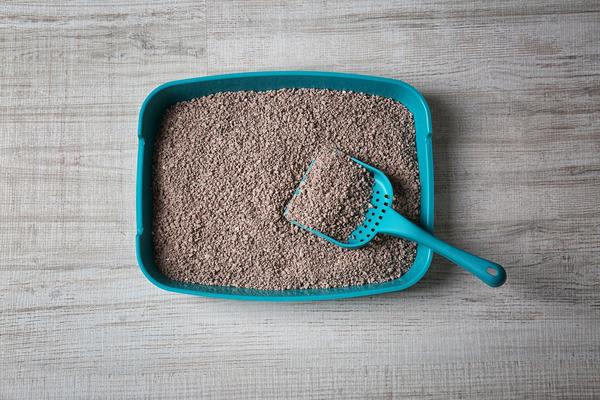
Paying close attention to changes in your cat’s litter box habits can also help you notice digestive changes. Watching for changes between vet visits is one of the reasons many cat parents value catching health issues early as part of their routine.
Is Milk Healthy for Cats?
Milk isn't necessary for most adult cats, and it shouldn't replace fresh water or a complete and balanced diet. A quality cat food formulated for your cat's life stage can provide the nutrients your cat needs. Milk doesn't provide an essential nutritional benefit for most adult cats.
Beyond the lactose issue, cow's milk is high in fat and calories. Regularly adding milk to your cat’s diet can increase their overall caloric intake, which may contribute to weight gain if those extra calories aren’t accounted for.[1]
Why Do Cats Seem to Love Milk?
Cats and milk have a long, mostly cultural history together. Cats that lived around farms may have had ready access to dairy products, which helped reinforce the familiar image of cats drinking milk. Some cats do genuinely enjoy the taste, and the fat and protein in milk may make it appealing to them.
Books, cartoons, and advertisements reinforced that picture for generations of cat parents. Enjoying the taste, though, doesn't mean milk is something your cat needs for good health.
What Should Cats Drink Instead of Milk?
Fresh water is the best everyday beverage for cats. Cats need water for hydration and normal body functions, including digestion and kidney health.
Cats can also get moisture from their food. Wet food contains considerably more water than dry kibble, which makes it a useful option if you're trying to increase your cat's overall water intake.[4] That doesn't mean every cat needs to give up dry food entirely; both wet and dry food can be part of a complete and balanced diet, depending on the cat’s nutritional needs and diet plan.
How Can You Encourage Your Cat to Drink More Water?
A few small changes can make water more accessible and appealing to a cat that doesn't drink much on their own:
-
Try a water fountain. Some cats may prefer moving water to still water in a bowl.
-
Set out multiple water stations around your home, not just one.
-
Keep water fresh and wash bowls regularly to keep them clean and free of residue.
-
Experiment with bowl materials, such as ceramic or glass, if your cat seems reluctant to drink from a particular bowl.
-
Add a splash of water to wet food if it fits your cat’s diet and they tolerate the added moisture.
Can Kittens Drink Milk?
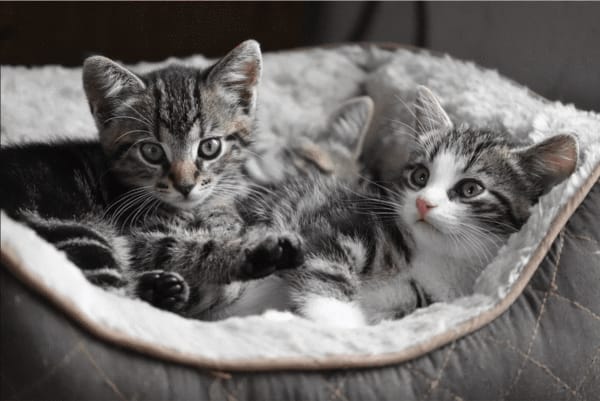
Kittens are a different story from adult cats because their nutritional needs change as they grow. In the first few weeks of life, a newborn kitten depends on their mother’s milk for essential nutrients.
Cow's milk can’t meet those nutritional needs. If a kitten loses access to their mother, they need an appropriate kitten milk replacer, not a bowl of milk from the fridge. These replacers are formulated to provide the nutrients kittens need, while cow’s milk does not provide the same nutritional balance. A veterinarian can help determine the right formula and feeding plan, particularly for a kitten that is orphaned, weak, or not gaining weight as expected.[3][5]
Kittens are typically weaned around eight weeks of age, when they transition to solid kitten food. If you're caring for orphaned or fostered kittens, veterinary guidance is especially important for kittens that are weak or not gaining weight as expected.
What About Senior Cats and Cats with Health Conditions?
Senior cats and cats with conditions such as kidney disease, diabetes, or gastrointestinal issues often have specific dietary requirements. Milk may not fit those requirements, particularly if it adds unnecessary calories or causes digestive upset.[6]
Talk with your veterinarian before regularly offering milk or milk-based treats to a senior cat or cats with kidney disease, especially if your cat follows a diet recommended for a specific health condition.
What Types of Milk Can Cats Drink?
Different types of milk have different ingredients, but none should replace fresh water or a complete and balanced diet for an adult cat. Here's how common options compare:
Liquid |
Recommendation |
Key Notes |
|
Cow's milk |
Not recommended as a regular drink |
Contains lactose and may cause digestive upset |
|
Lactose-free milk |
Occasional in small amounts |
May be easier to digest but isn't necessary |
|
Almond milk |
Not recommended as a regular drink |
Ingredients and additives vary by brand |
|
Oat milk |
Not recommended as a regular drink |
May contain added sugar or other ingredients |
|
Soy milk |
Not recommended as a regular drink |
Not formulated to meet feline nutritional needs |
|
Coconut milk |
Not recommended as a regular drink |
Can be high in fat, depending on the product |
|
Cat-formulated milk |
Occasional treat |
Designed for cats but still adds calories |
|
Fresh water |
Recommended |
Primary source of hydration |
|
Kitten milk replacer |
For kittens when needed |
Use an appropriate kitten-specific formula |
Plant-based milks aren't automatically a better choice just because they don’t contain lactose. Their ingredients vary by product, and some contain added sugars, thickeners, or other ingredients that aren't needed in a cat's diet. They shouldn't be treated as a nutritional replacement for water or cat food.
What Should You Do If Your Cat Already Drank Milk?
A bit of milk isn't likely to be an emergency for most healthy adult cats. If your cat gets into some milk, here's how to handle it:
-
Offer fresh water.
-
Skip any additional dairy for the time being.
-
Monitor stool, vomiting, appetite, and energy levels over the next day.
-
Contact your veterinarian if symptoms are severe, worsening, or persist.
Checking the litter box can also help you notice changes in stool after your cat drinks milk. Knowing what litter color changes can tell you gives you another way to keep track of changes in your cat’s health.
So, Can Cats Drink Milk?
Most adult cats don't need milk, and regular cow’s milk can cause digestive discomfort in cats that have difficulty digesting lactose. Some cats tolerate small amounts without obvious symptoms, but that tolerance doesn't make milk necessary for their diet.
Lactose-free or cat-specific milk may be suitable as an occasional treat for some cats, though neither is necessary for a healthy diet. Fresh water remains the best everyday beverage, and wet food can also contribute to your cat’s overall water intake. If digestive symptoms are severe, worsen, or persist for 24 hours or longer, contact your veterinarian.
FAQs
What kind of milk is safest for cats?
Fresh water is the best everyday drink for cats. If you choose to offer milk as an occasional treat, lactose-free or cat-formulated options may be easier for cats to digest than regular cow’s milk. Neither should be a daily habit, and fresh water should still be your cat's main source of hydration.
How long after drinking milk will a cat get sick?
Digestive symptoms may develop several hours after a cat drinks milk rather than immediately. The timing and severity can vary between cats and may depend on how much milk they consume.
Can cats drink lactose-free milk?
Some cats can have a little lactose-free milk as an occasional treat. Lactose-free milk has little to no lactose, so it may be easier for a cat with lactose intolerance to digest than regular milk. It still isn’t something your cat needs as a part of a healthy diet.
Can kittens drink cow’s milk?
No. Kittens need their mother's milk or a veterinarian-approved kitten milk replacer when their mother’s milk isn’t available. Cow's milk doesn't provide the right nutritional balance for a growing kitten.
What should I do if my cat accidentally drank milk?
Offer fresh water, skip any additional dairy, and monitor your cat for digestive symptoms. Contact your veterinarian if symptoms are severe, persistent, or worsening.