September 2, 2026 |16 min read
What Is the Best Kitty Litter? A Complete Guide

Written by




Bringing home a new kitten is exciting until you reach the pet aisle and realize just how many litter choices are staring back at you. Clay, crystal, clumping, natural, scented, unscented... which one will your little companion actually use?
What is the Best Kitty Litter? The best kitty litter is the one that fits your kitty and your household. Your cat's texture and scent preferences matter, along with your need for odor control, dust levels, the number of kitties sharing the box, and how often you can scoop and refresh it. Veterinary guidance generally recommends considering your cat's individual needs and preferences rather than looking for a single “best” litter.
This guide breaks down the main cat litter types, their strengths and tradeoffs, and the factors that can help you choose a comfortable, practical option for your kitty.
What Makes a Kitty Litter the Best Choice?
A good kitty litter should work for both you and your cat. Odor control, dust levels, and ease of cleanup can make a big difference in how comfortable the litter box feels and how manageable it is to maintain.[1][2]
Strong Odor Control
Litter controls smells by absorbing moisture and containing waste inside the box. Some formulas also use odor-absorbing materials, while scented options mainly cover unwanted smells with fragrance. That difference matters if you're trying to keep the litter box fresh rather than just make odors less noticeable.
In homes with several kitties, effective odor control can be especially helpful because the box gets more frequent use. Regular scooping still plays a major role in keeping smells under control.
Low Dust and Gentle Formula
A low-dust litter can help keep airborne particles and residue around the litter box to a minimum. This can be especially useful for sensitive kitties. Fragrance-free options are also worth considering if your cat reacts poorly to strong scents.
Many cats show a preference for unscented litter, so a gentler formula may make the box more inviting. You can also learn more about the benefits of dust-free cat litter if dust is one of your concerns.
Easy Maintenance
A litter that makes daily cleanup easier can save you time and keep the box more inviting.
-
Easy Scooping: Clumping litter forms solid masses around urine, making waste easier to remove.
-
Easy Replacement: Look for a litter that fits your preferred replacement schedule and doesn't require more frequent changes than your routine allows.
Different Types of Kitty Litter Explained
Cat litter comes in several materials, and each one has different characteristics to consider. The right option depends on what matters most to you and what your kitty will comfortably use.
Clay Kitty Litter
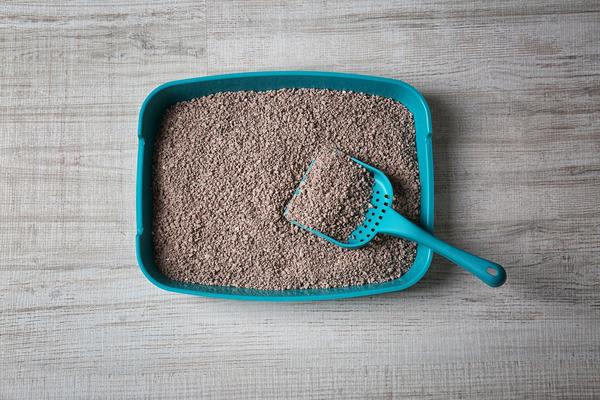
Clay litter remains one of the most common choices, especially in clumping formulas. Bentonite clay forms firm clumps around moisture, which makes daily scooping easier.
-
Best Suited To: Homes looking for an affordable, widely available option with reliable clumping.
-
Keep in Mind: Traditional clay formulas can produce more dust than some alternatives, so a low-dust formula may be preferable for sensitive kitties.
Crystal Kitty Litter
Crystal litter, also called silica gel litter, uses porous crystals to absorb moisture and trap odors. It tends to be lightweight and can reduce the amount of liquid waste you need to scoop.
-
Best Suited To: Cat parents who prioritize absorption, odor control, and a straightforward maintenance routine.
-
Keep in Mind: Crystal texture feels different from clay, and some kitties may prefer the softer feel of another litter.
Plant-Based Kitty Litter
Plant-based options use materials such as corn, pine, wheat, walnut, or recycled paper. Depending on the formula, they may offer clumping, odor control, or lower dust while using renewable or recycled materials.
-
Best Suited To: Cat parents interested in natural or biodegradable litter options.
-
Keep in Mind: Performance varies by material and formula, so check how well a specific product handles odor, moisture, and tracking.
Non-Clumping Kitty Litter
Non-clumping litter absorbs moisture without forming solid clumps. That can make it a straightforward, affordable option, but you generally need to replace more of the litter as it becomes soiled.
-
Best Suited To: Short-term situations or households that prefer a simple litter routine.
-
Keep in Mind: It can require more frequent full litter changes than clumping formulas.
Here's a quick comparison to make the differences easier to understand:
Kitty Litter Type |
Main Benefits |
Key Considerations |
Best For |
|
Clay Kitty Litter |
Affordable, widely available, and often offers strong clumping. |
Some formulas can produce more dust. |
Cat parents prioritizing affordability and easy scooping. |
|
Crystal Kitty Litter |
Highly absorbent, lightweight, and effective at controlling odor. |
The texture may not suit every kitty. |
Cat parents who prioritize odor control and easier maintenance. |
|
Plant-Based Kitty Litter |
Uses natural or renewable materials, with biodegradable options available. |
Odor control, clumping, and tracking vary by formula. |
Cat parents looking for natural or biodegradable options. |
|
Non-Clumping Kitty Litter |
Simple to use and often affordable. |
Requires more frequent litter replacement because waste does not form scoopable clumps. |
Cat parents who prefer a simple litter setup and don't mind more frequent litter changes. |
What Is the Best Kitty Litter for Odor Control?
Crystal litter can be a strong choice for odor control because it absorbs moisture, while clumping litter makes urine easier to remove from the box. The better fit depends on your kitty, your household, and how often you can maintain the box.
A few habits matter just as much as the litter itself:
-
Choose Absorbent Litter: Crystal and other moisture-locking formulas can help contain urine and reduce lingering smells.
-
Scoop Regularly: Remove urine clumps and feces at least once a day. Multi-kitty homes may need more frequent scooping.
-
Place the Box Thoughtfully: Choose a well-ventilated, easy-to-reach location that gives your kitty a comfortable place to use the box.
-
Keep the Box Clean: Even effective odor-control litter cannot compensate for a dirty litter box.
If odors are becoming a recurring problem, these practical tips can help you control litter box odor.
What Is the Best Kitty Litter for Kittens?
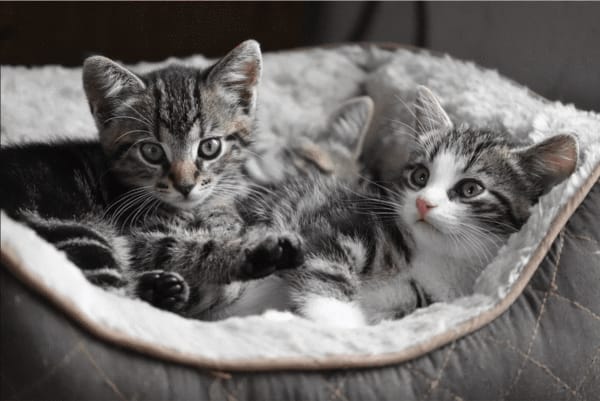
Bringing home a kitten means figuring out the litter box along with food, toys, and a whole new routine. The best kitty litter for kittens should be comfortable to use, easy to access, and easy for you to keep clean. A familiar, soft texture can also help a new kitten learn where to go.[1][3][4]
Safety Considerations for Kitten Litter
When choosing kitten litter, start with a formula that feels comfortable and doesn't overwhelm your kitten's senses.
-
Keep Dust Low: A low-dust formula can reduce the amount of airborne litter around the box.
-
Skip Strong Fragrances: Unscented litter can be a better starting point for a kitten that is still getting used to its new surroundings.
-
Choose an Easy Texture: Kittens generally take well to soft, granular litter that allows them to dig and cover their waste.
Kitten Litter Training Considerations
The litter itself is only part of the setup. Make the box easy for your new kitten to find and use.
-
Start With a Comfortable Litter: If you know what litter your kitten used before coming home, keeping the same type can make the transition easier.
-
Keep the Box Accessible: A low-sided box in a quiet, easy-to-reach spot lets a small kitten get in and out without struggling.
-
Keep It Clean: Scoop regularly so your kitten has a clean place to return to.
Give your kitten a litter box that feels easy to use, keep it clean, and pay attention to the texture they seem to prefer.
Crystal vs Clay vs Natural Kitty Litter: Which Is Best?
If you're choosing between clay, crystal, and natural litter, looking at the same factors side by side can make the decision easier. Each option can suit a different household, and your priorities may matter more than the material itself.[2][3][4]
Which Litter Fits Your Daily Routine?
Think about how much time you want to spend managing the litter box. Some options make waste removal more straightforward, while others may require you to change more of the litter at once. Your number of kitties also affects how quickly the box needs attention.
Which Option Matches Your Household Priorities?
Your home can also influence the choice. If you have several kitties, you may place greater value on keeping the box manageable throughout the day. If tracking is a concern, consider how easily the litter sticks to paws and spreads beyond the box. Cat parents who prefer plant-derived materials may also want to compare the ingredients and environmental considerations of different formulas.
What About Your Kitty's Preferences?
A litter's performance on paper matters less if your kitty avoids the box. Watch for preferences around texture, scent, and familiarity when comparing options. If your kitty consistently avoids a particular formula, another option may be worth trying.
|
Feature |
Clay |
Crystal |
Natural |
|
Odor Control |
Good, especially in clumping formulas |
Often strong |
Varies by material and formula |
|
Dust Level |
Varies by formula |
Often low |
Varies by material |
|
Maintenance |
Regular scooping |
Often straightforward |
Depends on formula |
|
Tracking |
Can be higher |
Often lower |
Varies by texture and material |
How to Choose the Right Kitty Litter for Your Kitty
Choosing a litter becomes easier once you look at your kitty, your home, and your daily routine together. Before picking a bag, ask yourself a few practical questions.[2][3][4]
Consider Your Kitty's Preferences
-
What texture does your kitty prefer? If your cat consistently uses one type of litter, a sudden change in texture may make the box less appealing.
-
Does your kitty tolerate fragrance? If strong scents seem to bother your cat, an unscented option may be a better fit.
-
Has your kitty's box behavior changed? Avoiding the box or using it inconsistently can signal that something about the setup needs attention.
Consider Your Household Needs
-
How many kitties share the boxes? More cats usually means more frequent use and more cleanup.
-
How often can you scoop? Choose a litter and box setup that fits the routine you can realistically maintain.
-
Are odor or tracking major concerns? Prioritize the features that matter most in your home rather than trying to find one litter that does everything.
Consider Health Needs
-
Does your kitty seem sensitive to dust? A low-dust option may be worth considering.
-
Do you need to monitor urine changes? Some specialized litters can make certain changes easier to notice, but they cannot diagnose health conditions.
-
Is your kitty a senior? Think about whether the litter texture and box setup remain comfortable as mobility changes.
Common Mistakes When Choosing Kitty Litter
A litter can look appealing on the shelf and still create problems once you use it at home. Price, dust, fragrance, and sudden changes can all affect your kitty's experience. A few common selection mistakes can affect comfort, cleanup, and how readily your kitty uses the box.
Choosing Based Only on Price
A lower-priced litter isn't automatically a poor choice, just as a higher price doesn't guarantee a better experience. Look beyond the upfront cost and consider how well the litter performs, how much you need to use, and how often you need to replace it. A litter that fits your kitty's needs and your cleaning routine may offer better value over time.
Ignoring Dust Levels
Dust can be an issue for sensitive kitties, particularly when they dig or jump out of the box. If airborne particles concern you, look for a low-dust formula and keep the area around the box clean.
Using Strongly Scented Litter
A strong fragrance may make the box smell fresher to you, but your kitty may not appreciate it. Many cats prefer unscented litter, so consider your cat's response before choosing a heavily fragranced option.
Switching Litter Too Quickly
Cats can be particular about changes to their litter box. If you're introducing a new litter formula, a gradual transition can give your kitty time to adjust. Mix increasing amounts of the new litter with the familiar one rather than replacing it all at once.
How PrettyLitter Helps Kitty Parents Find a Better Litter Solution
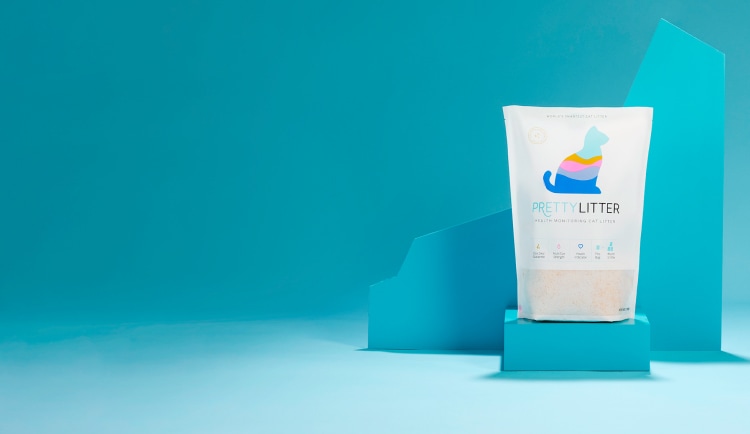
PrettyLitter takes a slightly different approach to everyday litter box care. Its crystal-based formula absorbs moisture and helps control litter box odor while producing less dust than many traditional clay options. The lightweight crystals can also make carrying, pouring, and changing the litter easier.
Another useful feature is its color-changing crystals. They can help kitty parents notice certain changes in urine, such as shifts in color, that may warrant closer attention. PrettyLitter is a monitoring tool, though, not a diagnostic test. If you notice an unusual or persistent change, talk with your veterinarian.
For daily upkeep, the lightweight formula and odor control can make the litter box easier to manage. That can be especially helpful for busy households or anyone who wants a simpler cleaning routine. As with any litter, your kitty's comfort and willingness to use the box should remain part of the decision.
Final Thoughts: Choosing the Best Kitty Litter
Start with the features that matter most in your home, then watch how your kitty responds to the litter you choose. Keep the box clean, pay attention to changes in litter-box habits, and adjust the setup when needed. The goal is a litter routine that keeps the box manageable while giving your kitty a comfortable place to go.
Scoop regularly, watch for changes in litter-box habits, and adjust the setup if your kitty stops using the box as usual. With the right combination of litter and routine, you can create a cleaner, more inviting space that supports your kitty's comfort and well-being.
FAQs
What is the best kitty litter to use?
The best kitty litter depends on your cat's preferences and your household needs. Consider texture, odor control, dust, maintenance, and tracking. A litter your kitty comfortably uses is usually the right choice.
What is the healthiest kitty litter for kitties?
No single litter type is healthiest for every kitty. Look for options that are low-dust and fragrance-free if your cat is sensitive. Your veterinarian can recommend an appropriate choice for specific health concerns.
What type of kitty litter is best for odor control?
Crystal litter can provide strong odor control because it absorbs moisture effectively. Clumping litter can also help by containing urine in scoopable clumps. Regular scooping and proper box care remain important.
Is crystal kitty litter better than clay?
Neither is universally better. Crystal litter can offer strong absorption and odor control, while clay provides familiar texture and convenient clumping. Your kitty's preferences and your cleaning routine should guide the choice.
What is the best kitty litter for kittens?
Choose kitten litter that feels comfortable, produces little dust, and has little or no fragrance. Keep the box accessible and clean. If possible, starting with a litter your kitten already knows can make training easier.
Do kitties prefer unscented litter?
Many kitties prefer unscented litter because strong fragrances can be unpleasant to them. If your cat avoids a scented litter, switching to an unscented option may help. Texture and cleanliness can also affect acceptance.


