October 29, 2026 |14 min read
PrettyLitter Crystals vs. Traditional Clay Litter: What’s the Difference?

Written by




Key Takeaways
|
If you’ve ever lugged a heavy bag of clay litter home, scooped out urine clumps, or swept stray granules off the floor, you may be curious about other options.
Traditional clay litter is a familiar choice for many cat parents, while PrettyLitter crystal cat litter uses silica gel crystals to absorb moisture and help control odors. Its crystals also change color in response to urine pH and the visible presence of blood. Clay litter offers a clumping option for cat parents who prefer scooping out urine clumps.
The right choice depends on your cat’s preferences, your cleaning routine, and your budget.
Crystal Litter vs. Clay Litter
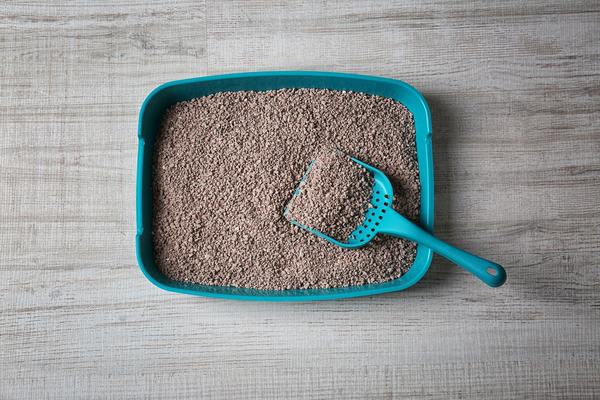
The key difference in PrettyLitter Crystal Litter vs. Traditional Clay Litter is how each handles urine. Clumping clay forms scoopable clumps, while PrettyLitter Original’s silica gel crystals absorb urine without clumping. PrettyLitter also changes color in response to urine pH and the visible presence of blood, providing health-monitoring clues rather than a diagnosis. A veterinarian must assess your cat’s health and diagnose any medical condition.[1][2][3]
PrettyLitter Crystals vs. Clay Litter: Key Differences at a Glance
Here’s how crystal litter and clay litter compare across health monitoring, waste handling, weight, dust, tracking, odor control, lifespan, and cost, the factors that matter most to cat parents:[1][2][3][4]
Comparison Factor |
PrettyLitter Original Crystals |
Traditional Clumping Clay Litter |
|
Urine Health Monitoring |
Changes color in response to urine pH and the visible presence of blood, providing visual clues that may warrant attention. |
Does not offer built-in color-changing urine monitoring. |
|
Waste Handling |
Absorbs urine without clumping; cat parents scoop solid waste and stir the crystals daily. |
Forms solid clumps around urine that can be scooped out. |
|
Weight |
PrettyLitter is up to 80% lighter than traditional clay litter. |
Generally heavier to carry, depending on the formula and bag size. |
|
Dust |
Designed for low-dust use; actual dust exposure depends on handling and conditions. |
Dust levels vary by formula and handling. |
|
Litter Tracking |
Designed to help limit tracking, though crystals can still scatter outside the box. |
Fine particles may stick to paws and spread beyond the litter box. |
|
Odor Control |
Absorbs moisture and helps trap odors; daily maintenance supports performance. |
Absorbent clay helps contain moisture and odors; results vary by formula and cleaning routine. |
|
Lifespan |
A 6 lb bag can last one cat up to one month, depending on use. |
Replacement frequency depends on the product, number of cats, litter depth, and cleaning routine. |
|
Multi-Cat Households |
Usage and replacement frequency increase with greater litter box use; follow the product’s multi-cat guidance. |
Clumps can be removed as waste accumulates, but usage increases with more cats. |
|
Cost |
PrettyLitter may cost more upfront than budget-friendly clay litter, but its overall value depends on how long each bag lasts. |
Basic clay options may cost less upfront, but monthly costs depend on the formula and how much you use. |
How Does PrettyLitter Perform in Everyday Use?
Your cat’s litter needs to fit into everyday life, from keeping odors manageable to making cleanup less of a chore. PrettyLitter crystal cat litter handles urine differently from traditional clay, and that affects daily maintenance, litter weight, and the way you can monitor certain changes in your cat’s urine.
Here’s what to expect from the Original formula, including its practical benefits and limitations.
Color-Changing Crystals and Urine Monitoring
PrettyLitter’s color-changing crystals respond to changes in urine pH and the visible presence of blood. These changes can offer useful clues about your cat’s health, but they cannot confirm a medical condition.
According to PrettyLitter’s color guide, the crystals may appear in these colors:[5]
Observed Color |
What It May Indicate |
|
Blue |
Indicates highly alkaline urine, which may be associated with urinary tract infections or an increased risk of struvite crystals and stones. |
|
Dark Yellow or Olive Green |
Indicates urine within the typical range and serves as the baseline color. |
|
Orange |
Indicates highly acidic urine, which may be associated with certain metabolic or kidney disease conditions and a greater likelihood of calcium oxalate crystal formation. |
|
Red |
Indicates the possible visible presence of blood in the urine, which may be associated with urinary tract disorders, bladder inflammation, stones, or other health concerns. |
An unusual color doesn’t automatically mean your cat is sick. Urine changes can have different causes, so look at the color alongside your cat’s litter box habits and behavior. If you notice unusual colors, straining, frequent trips to the box, or signs of discomfort, contact your veterinarian. Straining with little or no urine can signal a life-threatening blockage and needs immediate veterinary care.
PrettyLitter’s health monitoring crystal cat litter tracks urine pH changes and the visible presence of blood; it cannot diagnose the cause of those changes. Your veterinarian can assess the findings alongside your cat’s symptoms and medical history.
Waste Management and Daily Maintenance
PrettyLitter Original and clumping clay require different cleaning routines. With PrettyLitter Original, the crystals absorb urine, so you scoop solid waste rather than removing urine clumps. Daily stirring helps distribute moisture throughout the litter and prevents the same areas from becoming saturated.
For best results, PrettyLitter recommends this routine:[3][6]
-
Maintain the Right Depth: Keep about 2 inches of litter in an average-sized box.
-
Scoop Daily: Remove solid waste and discard it in the trash.
-
Stir the Crystals: Mix the litter daily to distribute moisture evenly.
-
Replace When Needed: Change the litter about every month or sooner if it becomes saturated.
Clumping clay follows a more familiar routine: scoop out both solid waste and urine clumps, then replenish the litter as needed. If you prefer removing urine clumps, PrettyLitter Clumping offers an alternative with a similar scoop-and-remove approach.
For more practical advice, see how often to scoop cat litter.
Weight, Dust, and Litter Tracking
Carrying litter home can be a workout of its own. PrettyLitter’s silica crystals are up to 80% lighter than traditional clay litter, making bags easier to lift and pour. The formula is designed for low-dust use, although handling and household conditions can affect airborne dust exposure.
The type of silica matters, too. PrettyLitter uses amorphous silica gel, which differs from crystalline silica. The distinction matters because OSHA identifies inhalation of respirable crystalline silica dust as a health hazard.
Crystals can still scatter outside the box, particularly across smooth floors. Place a litter mat near the entrance to catch loose particles and make cleanup easier.
Odor Control and How Long the Litter Lasts
PrettyLitter’s silica gel crystals absorb moisture and help trap odors, keeping the litter drier between cleanings. Daily maintenance still matters: remove solid waste and stir the crystals to distribute moisture evenly. A neglected litter box can develop unpleasant odors regardless of the litter you use.
One 6 lb bag of Original crystals can last one medium-sized cat up to a month when used in an average-sized litter box. Its crystals last up to twice as long by volume as clumping clay under routine scooping. How long the litter lasts depends on your cat’s usage, litter box habits, and household conditions.[3][4][9]
In multi-cat homes, litter may need replacing more often. PrettyLitter generally recommends one bag per cat per month, though box size and bathroom habits affect usage.
Explore multi-cat litter solutions for guidance on managing shared litter boxes.
How Much Does PrettyLitter Cost Compared With Clay Litter?
PrettyLitter may cost more upfront than basic clay litter, but its lightweight crystals, odor control, and color-changing urine monitoring may make the added expense worthwhile for some cat parents. To compare value, look beyond the price per bag and estimate your monthly costs based on how much litter your cat uses and how often you need to replace it.
PrettyLitter Original costs $24 per 6 lb bag, while clumping clay options vary by brand. You can subscribe for recurring deliveries and savings, make a one-time purchase, or shop at participating retailers such as Walmart, Target, PetSmart, and Petco. First-time US customers may also qualify for PrettyLitter’s 30-day risk-free guarantee, subject to the current terms.
Which Cat Litter Is Right for Your Cat?
The best choice depends on your cat’s preferences and your household routine. Some cats prefer the familiar texture of clay, while others may adjust to silica crystals with a gradual transition. Your budget, the number of cats you have, dust sensitivity, and how much effort you want to spend cleaning also matter.[1][2][13]
Before choosing, consider these questions:
-
Texture: Does your cat use the litter box consistently?
-
Cleaning: Do you prefer scooping urine clumps or managing non-clumping crystals?
-
Convenience: Would lighter bags or lower dust be helpful?
-
Monitoring: Would you value an added feature that helps monitor changes in your cat’s urine health?
-
Budget: Does the estimated monthly cost fit your spending plan?
Why Choose PrettyLitter Crystal Cat Litter?
PrettyLitter crystal cat litter offers several practical benefits for cat parents looking to simplify litter box care. Its color-changing crystals help monitor urine pH and the visible presence of blood, offering additional clues about your cat’s health without replacing veterinary care.
The lightweight bags are up to 80% lighter than traditional clay, making them easier to carry and pour. Its low-dust crystals can help reduce airborne litter particles around your home. With proper daily scooping and stirring, the crystals absorb moisture and help control odors. Subscription delivery adds convenience by bringing fresh litter to your door, saving you trips to the store.
PrettyLitter also shares details about third-party testing and toxicologist review through its PrettyLitter safety standards page, so you can learn more about the brand’s approach to product safety.
How to Switch Your Cat From Clay Litter to PrettyLitter
Cats can be particular about litter texture, so switching from clay to silica crystals gradually may help your kitty adjust without disrupting litter box habits.
-
Prepare the Box: Start with a clean litter box and add PrettyLitter to the depth recommended in the current product instructions.
-
Introduce the New Litter Slowly: Mix a small amount of PrettyLitter with the familiar clay litter, then gradually increase the proportion over several days or longer, depending on your cat’s response.
-
Keep a Familiar Option Available: If space allows, offer a second litter box with the usual clay litter while your cat gets used to the change.
-
Watch for Hesitation: If your cat avoids the box or seems uncomfortable, slow the transition and give them more time. A litter mat can help catch scattered crystals and keep floors tidier.
If your cat hesitates or starts avoiding the box during the transition, slow down and give them more time to adjust. If your cat continues to avoid the box, review these common reasons why cats avoid the litter box before continuing the transition.
For first-time customers ordering online in the US, PrettyLitter offers a 30-day risk-free guarantee, subject to its terms. If you’re ready to try crystal litter, explore PrettyLitter Original and see if it suits your cat’s routine.
PrettyLitter vs. Clay Litter FAQs
Is silica crystal litter safe for cats?
Silica crystal litter is generally considered safe for cats when used as directed. Choose low-dust products to reduce inhalation, prevent your cat from eating the litter, and keep it away from curious kittens. If your cat ingests litter or develops breathing difficulties or other unusual symptoms, contact your veterinarian.
Does PrettyLitter really change color?
Yes. PrettyLitter crystals change color in response to urine pH and the visible presence of blood. Blue may indicate more alkaline urine, orange more acidic urine, and red the possible presence of blood. These colors provide health-monitoring clues, not a diagnosis. Contact your veterinarian about unusual colors or changes in your cat’s urination or behavior.
Does PrettyLitter clump?
PrettyLitter Original does not clump. Its silica gel crystals absorb urine and help trap odors, so you scoop solid waste and stir the crystals daily instead of removing urine clumps. If you prefer clumping litter, PrettyLitter also offers a separate Clumping formula designed for a more familiar scoop-and-remove routine.
How long does a bag of PrettyLitter last?
One 6 lb bag of PrettyLitter Original can last one medium-sized cat up to a month in an average-sized litter box. Usage, the number of cats, and crystal saturation affect how often you need to replace it.
Does crystal litter track more than clay litter?
Crystal litter can scatter outside the box, even when designed to limit tracking. Clay litter can also spread beyond the box as particles cling to your cat’s paws. The amount of tracking depends on the litter’s texture, your cat’s habits, and the surrounding floor. A litter mat can help catch stray particles.
Can PrettyLitter be used in automatic litter boxes?
Compatibility depends on the litter formula and the automatic litter box model. PrettyLitter Original is non-clumping, so it may not work properly in self-cleaning boxes designed for clumping litter. Check your litter box manufacturer’s instructions and PrettyLitter’s current product guidance before using it in an automatic system.
