February 15, 2022 |16 min read
Cat Not Eating But Drinking Water? 7 Vet-Backed Reasons and What to Do

Written by




Key Takeaways
|
You know your cat's routine better than anyone. That's why it can feel unsettling when they head to the water bowl as usual but leave their food untouched. A skipped meal doesn't always mean the same thing. Your cat may be reacting to a temporary change, or they may need medical attention.
This guide walks you through some of the possible reasons your cat is drinking water but not eating, the warning signs to watch for, and practical ways to encourage them to eat again. You'll also learn when it's time to schedule a veterinary visit and how simple daily observations can help you keep a closer eye on your cat's health.


Why Is My Cat Drinking But Not Eating?
Seeing your cat drink water but ignore their food can leave you wondering what changed. While it may seem unusual, appetite and thirst don't always change at the same time. A cat may continue drinking even if eating feels uncomfortable or less appealing for a variety of reasons.
A change in routine, mild stomach upset, or recovering from an illness may reduce your cat's appetite for a short time. If the behavior continues or other symptoms appear, an underlying health issue could be involved. Your cat's energy level, litter box habits, and other behavior changes often provide more helpful clues than appetite alone.[1]
Is It Normal for a Cat to Drink Water But Not Eat?
Yes. Some cats occasionally skip a meal and return to normal within a day. If your cat continues drinking but refuses food for longer, it's worth paying closer attention.
Contact your veterinarian if your cat:
-
Refuses more than one meal or goes 24 hours without eating
-
Seems tired, hides more than usual, or shows signs of pain
-
Vomits, has diarrhea, or loses weight
-
Is a kitten, senior cat, or has an existing medical condition
Keeping track of when the appetite change started and any other unusual symptoms can help your veterinarian identify the cause.
Common Causes: Why Cats Drink But Don't Eat
A cat may keep drinking water while eating less for many different reasons. Rather than trying to identify the problem based on one symptom, look for changes in your cat's appetite, energy level, litter box habits, and behavior. Together, these observations give your veterinarian a clearer picture of what's going on.
Kidney Disease (CKD)
Chronic Kidney Disease (CKD) can increase thirst while reducing appetite, especially in older cats. You may notice weight loss, lower energy, or more frequent trips to the water bowl. These signs aren't unique to kidney disease in cats, which is why a veterinary exam is the best way to find out what's causing them.
Hyperthyroidism
Hyperthyroidism often affects senior cats and can change both eating and drinking habits. Some cats lose weight even if they continue eating well, while others develop a reduced appetite over time. A veterinarian can determine whether thyroid disease or another condition is responsible.
Dental Pain or Mouth Injuries
A cat with dental pain may want to eat but find chewing uncomfortable. They may sniff their food, take one bite, then walk away, drool more than usual, or prefer softer foods. A dental exam can identify problems that aren't easy to spot at home
Nausea or Gastrointestinal Issues
Nausea, digestive upset, or other gastrointestinal problems can reduce your cat's interest in food while they continue drinking water. If appetite loss lasts more than a day or is paired with vomiting, diarrhea, or lethargy, it's time to contact your veterinarian
Stress, Anxiety, or Environmental Change
Cats thrive on routine. Moving, travel, a new pet, unfamiliar visitors, or sudden changes to their environment can temporarily affect their appetite. If you notice other signs of stress in your cat, keeping their routine predictable may help while you monitor their progress.[6]
Liver Disease / Hepatic Lipidosis
Cats that stop eating for several days may develop hepatic lipidosis in cats, a serious liver condition. While this doesn't happen after a missed meal, ongoing appetite loss should never be ignored, especially in overweight cats
Medication Side Effects or Recovery
Some medications, surgery, or recovery from illness can temporarily reduce appetite. Continue offering fresh food and water, and follow your veterinarian's instructions. If your cat still won't eat after the expected recovery period, schedule a follow-up visit.
No single symptom can explain why a cat is drinking water but not eating. Looking at all of these changes together can help you and your veterinarian identify the underlying cause sooner.
When Should You Worry About a Cat Not Eating?
A missed meal isn't always an emergency, but it's worth paying closer attention if your cat continues drinking water without eating or develops other unusual symptoms. Instead of focusing on one change, look for patterns. A combination of appetite loss, changes in behavior, and physical symptoms can help you decide whether it's time to contact your veterinarian
Signs That Need Veterinary Attention
Schedule a veterinary visit if your cat:
-
Goes 24 hours or longer without eating or stops eating and drinking altogether
-
Seems unusually lethargic, weak, or withdrawn
-
Has repeated vomiting, diarrhea, or signs of pain
-
Loses weight or shows noticeable changes in grooming or behavior
-
Has changes in litter box habits, such as urinating much more or less than usual
Factors That May Increase Concern
Some cats are more vulnerable to the effects of appetite loss than others. Contact your veterinarian sooner if your cat:
-
Is a kitten, senior, or has a chronic health condition
-
Has recently had surgery or started a new medication
-
Has gone several meals without eating, even if they're still drinking water
-
Continues to lose interest in food despite your efforts to encourage eating
Trust your instincts. If your cat's behavior feels out of character or their appetite doesn't improve, a veterinary evaluation can help identify the cause and prevent small problems from becoming bigger ones.
Special Section: Senior and Elderly Cats
As cats grow older, it's natural for their eating habits to change. They may become pickier about food, eat smaller meals, or take longer to finish eating. While these changes can be part of aging, a noticeable drop in appetite or a sudden increase in drinking water deserves a closer look. Paying attention to these changes can help you spot potential health concerns earlier.[9][10]
Why Senior Cats Are More at Risk
Aging can affect your cat's sense of smell and taste, making food less appealing. Dental problems, arthritis, and chronic conditions such as chronic kidney disease (CKD) or hyperthyroidism also become more common with age and may influence eating and drinking habits. Age itself isn't the cause of appetite loss, but it can make older cats more vulnerable to conditions that affect their overall well-being.
Supporting Senior Cats at Home
Small adjustments can make mealtimes more comfortable for older cats:
-
Keep food and water bowls in easy-to-reach locations.
-
Feed meals on a consistent schedule in a quiet, familiar space.
-
Offer wet food or soften dry food if chewing seems difficult.
-
Monitor eating, drinking, weight, behavior, and litter box habits for changes.
These steps can improve your cat's comfort, but they shouldn't replace veterinary care if appetite changes continue. For more tips on caring for senior cats, explore our guide dedicated to helping older feline companions stay healthy and comfortable.
7 Ways to Help Your Cat Start Eating Again

If your cat is still drinking water but showing little interest in food, a few simple changes may encourage them to eat. These tips focus on making mealtimes more comfortable while you monitor your cat's progress. If your cat continues refusing food or develops new symptoms, schedule a veterinary visit.[11][12][13]
Try Warming Up Their Food
Warming wet food for a few seconds can make it smell more appealing. Start with small portions and make sure the food is warm, not hot. If your cat has a favorite food, offering a familiar meal may also help.
Offer Strong-Smelling Foods
Cats rely heavily on their sense of smell when deciding whether to eat. Your veterinarian may recommend trying foods with a stronger aroma, such as a prescription recovery diet or canned food designed for cats with reduced appetites. Introduce new foods gradually to avoid upsetting your cat's stomach.
Switch to Wet Food
If chewing dry kibble seems uncomfortable, wet food may be easier to eat. Some cats also prefer its softer texture and higher moisture content. The best choice depends on your cat's age, health, and dietary needs.
Hand Feed or Use a Syringe Carefully
Offering a small amount of food from your hand may reassure some cats. If your veterinarian recommends syringe feeding, follow their instructions carefully. Never force-feed your cat, as this can increase stress or cause food to enter the airway.
Reduce Stress Around Mealtimes
A calm feeding routine can make a difference. Try to:
-
Serve meals in a quiet, familiar location
-
Feed your cat at the same times each day
-
Keep food and water bowls clean and away from loud household activity
Rule Out Pain With a Vet Visit
Pain isn't always obvious in cats. Dental disease, arthritis, or other medical conditions can make eating uncomfortable. Your veterinarian can check for problems that aren't obvious at home and guide the next steps.
Ask Your Vet About Appetite Support Options
If your cat still isn't eating, your veterinarian may recommend treatments that address the underlying cause or temporarily support appetite. Depending on your cat's condition, this may include anti-nausea medication, appetite stimulants, pain management, or nutritional support. Use these treatments only under veterinary guidance.
Every cat responds differently, so there isn't a single solution that works for everyone. Gentle encouragement, careful observation, and timely veterinary care give your cat the best chance of getting back to their usual eating routine.
How to Monitor Your Cat's Health at Home
Your daily routine already gives you plenty of opportunities to notice changes in your cat's health. Instead of focusing on one skipped meal, look for patterns over several days. Small changes in eating, drinking, or behavior can become more meaningful when viewed together. Keeping a simple record can also help your veterinarian understand what has changed and when it started.[14][15][16]
Keep An Eye On |
Questions to Ask Yourself |
|
Eating Habits |
Is your cat eating less, skipping meals, or losing interest in favorite foods? |
|
Water Intake |
Are they drinking noticeably more or less than usual? |
|
Litter Box |
Have you noticed changes in urination, stool, or how often they use the box? |
|
Weight |
Does your cat look thinner, heavier, or feel different when you pick them up? |
|
Behavior |
Are they hiding more, sleeping longer, or avoiding activities they usually enjoy? |
|
Other Symptoms |
Have you seen vomiting, diarrhea, signs of pain, or changes in grooming? |
|
Timeline |
When did the appetite change begin, and is it improving, staying the same, or getting worse? |
If your cat needs a veterinary evaluation, sharing these observations can help your veterinarian identify patterns and recommend the most appropriate next steps.
How PrettyLitter Can Help Detect Health Issues Early
Changes in your cat's appetite don't always happen on their own. They may appear alongside changes in drinking, urination, or litter box habits, which is why paying attention to your cat's daily routine can be so valuable. Tracking these patterns over time gives you a more complete picture to share with your veterinarian.
Monitoring Changes Through Daily Habits
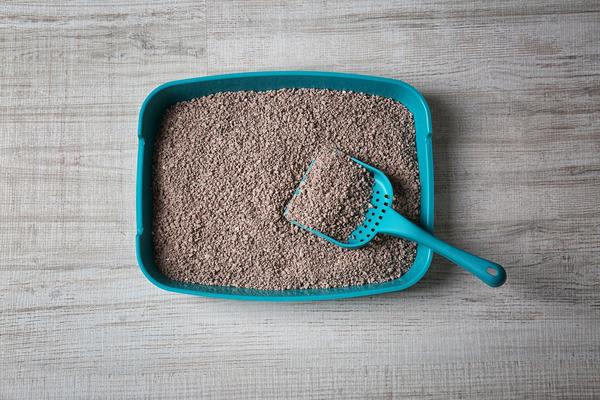
Most cat parents already keep an eye on the food bowl and water dish. Checking the litter box is just as valuable. PrettyLitter health-monitoring cat litter changes color when it detects changes in urine pH, helping you spot changes in your cat's urine between veterinary visits. While it can't diagnose an illness, it can help you recognize when something is different and worth discussing with your veterinarian.
Supporting Health Awareness at Home
No single sign tells the whole story. Pairing everyday observations with regular veterinary care can help you respond sooner if something doesn't seem right. By staying attentive to your cat's habits, you're taking an active role in supporting their long-term health and well-being.

FAQs
How long can a cat go without eating?
Most healthy adult cats shouldn't go more than 24 hours without eating. Prolonged appetite loss can lead to serious health problems, including hepatic lipidosis, especially in overweight cats. Contact your veterinarian if your cat refuses food for more than a day.
Why is my cat only drinking water and not eating?
A cat may drink water but stop eating because of dental pain, nausea, stress, kidney disease, hyperthyroidism, or another underlying health condition. If the behavior lasts more than 24 hours or other symptoms develop, schedule a veterinary visit.
Should I force-feed my cat if it won't eat?
No. Force-feeding can increase stress and may cause food to enter your cat's airway. Offer tempting foods instead and ask your veterinarian whether assisted feeding or appetite support is appropriate for your cat.
Can kidney disease cause a cat to stop eating?
Yes. Chronic Kidney Disease (CKD) can cause nausea, reduced appetite, weight loss, and increased thirst. These signs can also occur with other conditions, so your veterinarian will need to determine the underlying cause.
Why is my elderly cat drinking a lot but not eating?
Older cats are more likely to develop health conditions such as kidney disease, hyperthyroidism, or dental disease, all of which can affect appetite and thirst. Because these changes can have multiple causes, it's best to have your veterinarian evaluate them promptly.
Why is my cat eating treats but not food?
Your cat may still have an appetite but find regular food less appealing or uncomfortable to eat. Dental pain, nausea, food preferences, or changes in smell and taste can all contribute. If the behavior continues, contact your veterinarian.
Is it an emergency if my cat won't eat?
A single missed meal isn't always an emergency. Seek veterinary care sooner if your cat goes 24 hours without eating, stops drinking water, seems lethargic, vomits repeatedly, or has other concerning symptoms.


