

November 14, 2025 |9 min read
How Much Does a Cat Really Cost?

Written by




Bringing home a cat is one of those life moments that fills your home with warmth, soft purrs, and a whole new rhythm. But before you welcome your new companion, it’s completely natural to wonder how much does it cost to own a cat long-term. Between upfront supplies, monthly essentials, and future care, understanding the real cost of cat ownership helps you plan confidently and enjoy every head bump and slow blink along the way. This guide walks you through the core expenses of having a cat in a straightforward, heart-centered way.
Upfront Costs of Cat Ownership
Let’s start with the earliest expenses you’ll typically encounter before your cat even steps into your home.
Acquisition Fees
Your initial investment largely depends on where your cat comes from:
- Shelters and rescues – Adoption fees typically range from $50–$250. These groups often include essentials like spay/neuter surgery, vaccines, and microchipping in that cost, which offers incredible value and helps you start off on the right foot.
- Breeders – Depending on the breed, responsible breeders often charge $750–$3,000+. This higher price reflects lineage, early veterinary care, and ethical breeding practices.
If you’re exploring how to bring a cat home safely and compassionately, the PrettyLitter blog already has great resources on how to adopt a stray cat and what to know before adopting a cat. You can also read these resources while you’re planning.
Initial Medical Care
Even if your adoption fee covers some services, you might see a few additional costs:
- Spaying or neutering – Many shelters include this in adoption, but if not, expect $70–$800 depending on your area and provider.
- Initial vaccinations – Your cat’s first round of core shots and rabies vaccination usually run $80–$200 total.
- Microchipping & ID Tags – A microchip alone is typically $30–$80. This is a small price to pay for a lifelong connection should your cat ever wander.
Essential Setup Supplies
Before your cat arrives, you’ll want your home ready with comforting essentials that help them settle in smoothly.1 Typical starting supplies may include:
- A carrier (especially helpful when preparing for future vet visits or trips)
- Food and water bowls
- A scratching post or board
- A cozy cat bed
- Toys for play and bonding
- A litter box setup
Depending on style, durability, and number of pets, these can range from $100–$600+.
Monthly Budget: Food, Litter & Hygiene
Once the upfront costs are out of the way, the real question becomes, “How much does it cost to have a cat every month?” While each home is unique, here’s a realistic look at ongoing care:
Food and Treats
Diet is a major part of your monthly pet budget. Most cat parents spend anywhere from $20–$60 per month depending on:
- Dry vs. wet food
- Brand preferences
- Your cat’s age and dietary needs
- Treat frequency
Your feeding routine naturally connects with enrichment,2 too—especially if you’re exploring how to exercise a cat using treat puzzles, food-dispensing toys, or mealtime games.
Litter and Litter Supplies
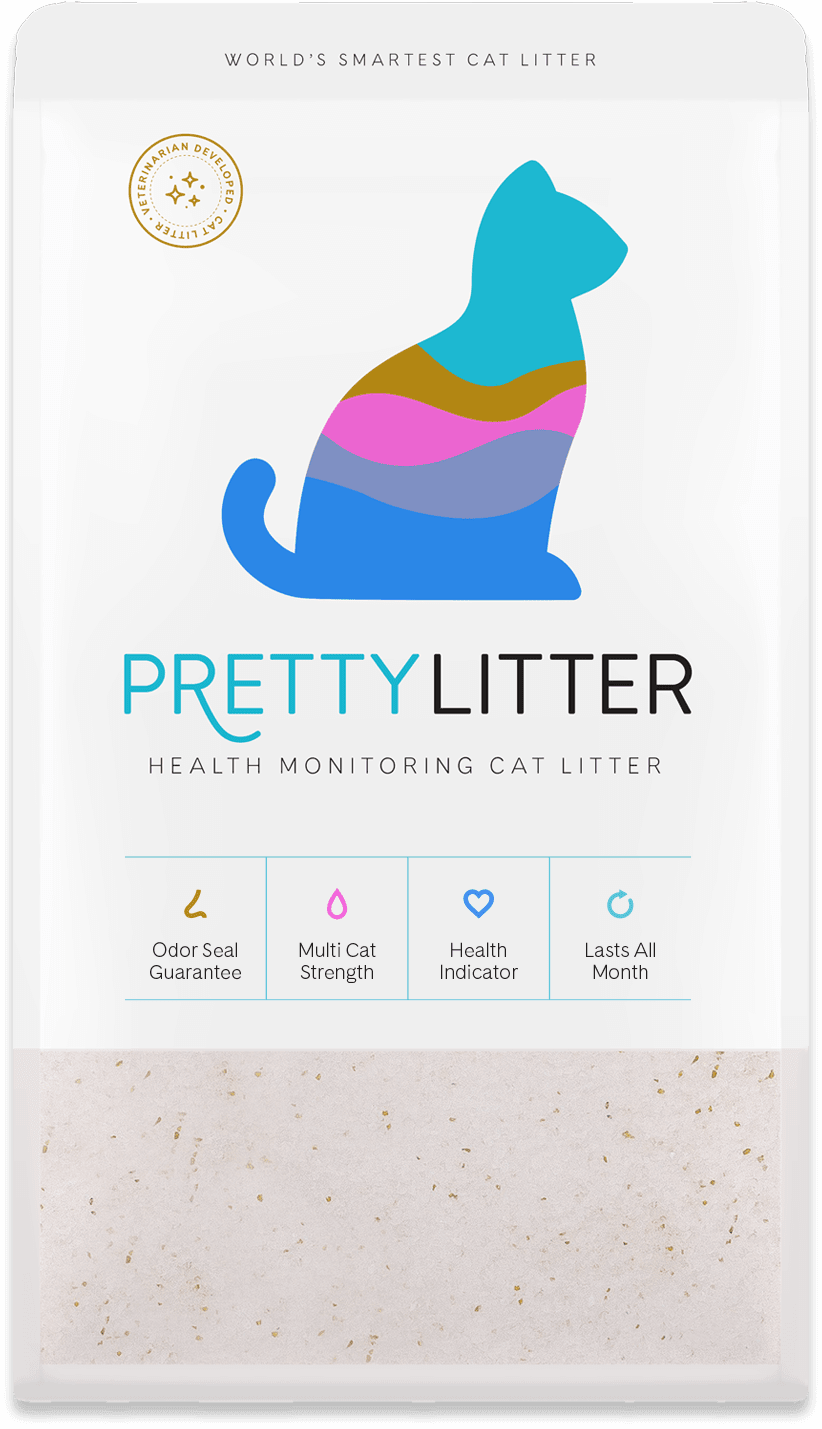
New cat parents also use this time to think ahead about how to get rid of cat pee smell in the house. PrettyLitter makes that concern largely fade into the background thanks to:
- A formula made from super absorbent silica gel-based crystals
- Advanced odor control
- The ability to lock in odor and eliminate moisture
- Crystals that dry out solid waste and help keep things fresher for longer
- A health monitoring design that changes color to help provide early signals of potential issues
And because one bag lasts up to a month, your monthly budgeting becomes incredibly straightforward.
Preventative Medication
Whether your cat is indoors, outdoors, or somewhere in between, routine preventative medication is an important part of responsible pet care. Expect to budget around $140–$200+ per year for flea, tick, and heartworm prevention.
Many pet parents purchase their medication quarterly or monthly, depending on their vet’s recommendation. If you’re preparing for future travel or vacations, having these basics in place is also helpful when planning how to prepare your house for a pet sitter. Later on, you may also want to consider getting insurance for your pet.
The Critical Annual Cost: Veterinary Care
While monthly food and litter tend to be predictable, veterinary care is one of the most essential parts of the cost of owning pets like cats or dogs. These annual visits help keep your cat feeling their best and give you long-term peace of mind.
Routine Wellness Exams
Most vets recommend a yearly checkup, which usually ranges from $50–$150 per visit. These appointments typically include:
- A physical exam
- Discussions about nutrition and behavior
- Basic tests based on age or lifestyle
- Preventative care planning
Think of it as your cat’s annual tune-up that ensures everything is running smoothly.
Dental Care
Dental health is often overlooked, but cats benefit greatly from professional cleanings.3 Many cleanings require anesthesia and may cost $300–$800+, depending on your location and your cat’s needs. Regular dental care can support your cat’s comfort and help reduce the likelihood of more complex treatments down the road.
Vaccination Boosters
After your cat’s initial kitten vaccines, they’ll need routine boosters. Expect around $50 per year, though this can vary based on your vet and which vaccines your cat requires.
How PrettyLitter Supports Awareness
PrettyLitter can’t diagnose or treat any medical conditions. But what it can do is help you stay attuned to your cat’s urinary health by changing color and providing early indications that something may need a closer look. PrettyLitter…
- Helps keep tabs on your cat’s health
- Provides insights into potential urinary issues
- Acts as an early detector by signaling when something seems off
This gives you valuable information to share with your vet, potentially helping you catch something earlier than you otherwise would.
Planning for the Unexpected: Emergency & Lifestyle Expenses
While we all hope emergencies never happen, planning ahead can protect your budget and reduce stress if the unexpected occurs.
Emergency Fund & Pet Insurance
Veterinary emergencies can cost anywhere from a few hundred dollars to several thousand. Having an emergency fund or pet insurance policy can help soften the financial impact.
Pet insurance plans average around $20–$60 per month, while self-funded emergency savings can be gradually built over time. Securing these ahead ensures that your cat can receive urgent care when needed and without hesitation.
Lifestyle Costs
Every cat has their own personality, habits, and preferences. Depending on your lifestyle, you may encounter a few optional but common expenses, such as:
- Boarding or pet sitters
- Grooming for long-haired cats
- Travel carriers or backpack carriers
- Upgraded feeders or fountains
If you're planning a trip, it’s helpful to review how to prepare your house for a pet sitter so your cat stays comfortable and cared for in your absence.
Renter Fees
If you rent your home, some landlords charge:
- Pet deposits
- Non-refundable pet fees
- Monthly pet rent
These can vary widely from $10–$50 per month, depending on your area and building policies.
Enrichment Essentials
Cats thrive when their environment keeps them mentally and physically engaged. Your enrichment budget may include:
- Replacement toys
- Scratching posts or boards
- Cat trees
- Puzzle feeders
- Fountain filters
All of these support your cat’s wellbeing4 and even connect with another important topic: how to exercise a cat in ways that feel fun for both of you.

What Cat Ownership Really Costs
If you're wondering how expensive are cats, the answer depends on many personal choices, from your lifestyle preferences to your budget structure. At the end of the day, the best approach is building a budget that supports your cat’s health and happiness, while choosing products and routines that make life easier for you, too.
When it comes to monthly essentials, PrettyLitter’s subscription helps simplify both budgeting and care. With a bag that lasts up to a month, free shipping and easy cancellations, and a 30-day risk-free guarantee, PrettyLitter offers a smoother and cleaner litter experience that’s delivered straight to your door.
Sources:
- ScienceDirect. “A systematic review of social and environmental factors and their implications for indoor cat welfare.” https://www.sciencedirect.com/science/article/abs/pii/S0168159119301054.
- Routledge Taylor & Francis Group. “Types of Environmental Enrichments Offered for Cats and their Association with Housing Features and Cat Personality.” https://gwern.net/doc/cat/psychology/2025-dasilvagoncalves.pdf.
- International Journal of Veterinary and Animal Research. “Clinical and Radiologic Evaluation of Dental Diseases in Cats.” https://www.ijvar.org/index.php/ijvar/article/view/630.
- ScienceDirect. “Increasing shelter cat welfare through enrichment: A review.” https://www.sciencedirect.com/science/article/abs/pii/S0168159122000430.


