
November 17, 2020 |8 min read |Veterinarian Reviewed
5 Home Remedies for Cat Vomiting: What Helps and When to See a Vet

Written by




Updated Nov 20, 2025
Have you ever noticed your cat coughing up what you thought would be a hairball, and instead it’s a little wet surprise cat vomit on your favorite rug? And then they look at you with those big eyes like, “well, what are you gonna do about this?” Or maybe your cat was transitioning food brands and ate way too fast, so they end up spitting it back up (again on your favorite rug).
Well, you’re not alone. Our cats have sensitive stomachs that occasionally require special attention, and cat health is of the utmost importance. If your cat has tummy trouble, whether it’s a one-off episode of vomiting or more frequent, chronic cat vomiting, PrettyLitter is here with some home remedies for your cat’s upset stomach.
Why is my cat vomiting?
It sounds strange, but vomiting can be a natural response that helps cats clear the stomach of things that don’t agree with them. Whether it's bad food/food allergy, plants, or a hairball, if it doesn’t sit well with them, their body will try to find a way to get rid of it.
Common Causes of Upset Stomach in Cats
- Dietary indiscretion & fast eating: Suddenly eating plants, spoiled food, or gobbling meals can trigger acute vomiting within hours. You may also see foam or bile if the stomach is empty.
- Sudden diet change or food sensitivity: Rapid switches can irritate the GI tract. True food allergies are less common; vets may try a novel-protein or hydrolyzed diet when an allergy is suspected.
- Hairballs: Frequent grooming can lead to hair accumulation and intermittent retching or vomiting; persistent cough-like retches without producing a hairball, appetite loss, or lethargy need vet attention.
- Parasites: Kittens and outdoor cats are at higher risk of parasites. Roundworms and tapeworms in cats can cause vomiting/diarrhea; tapeworm segments may look like “rice grains” near the anus or in stool. Roundworms are pretty common, so make sure to visit a vet to diagnose whether there are roundworms vs tapeworms. Either way, your vet can confirm with a fecal test and prescribe dewormers.
- Infections & inflammation: Viruses/bacteria or pancreatic inflammation can cause vomiting, inappetence, and lethargy. Pancreatitis often needs fluids, pain control, and antiemetics.
- Toxin exposure: Household meds, essential oils, lilies, and other toxins can cause vomiting and worse. Do not give human medicines unless your vet says so.
- Foreign body/obstruction: String, hair ties, ribbon, and toy parts can lodge in the stomach/intestine, causing ongoing vomiting, abdominal pain, or “dry heaving.” These often need imaging and removal.
5 Home Remedies for Cat Vomiting
#1 A Short Fast
Withhold cat food for a couple of hours, then resume small meals. You don’t have to withhold water, but if they are drinking too much water and vomiting that up as well, only let them have a small amount of water at a time. A short fast could allow your cat’s upset tummy an opportunity to rest. This is a great natural stomach remedy for digestive problems or an ache in your kitten's or adult cat's stomach.
#2 Keep Them Hydrated
If water isn’t appealing, try a splash of tuna water (never oil). Tuna water is to cats what sparkling water is to humans– a fancy treat! Make sure you’re not giving your cat the liquids from tuna in oil! Only tuna *water* is safe for your cat.
#3 A Longer Food Fast
If two hours doesn’t help, try a 12–24-hour fast with plenty of fresh water. Once the fast is over, slowly reintroduce bland food, like a tiny portion of plain boiled chicken breast or chicken baby food, if your cat does well with this, slowly transition to their normal diet by mixing this with their usual food.
#4 Keep Those Hairballs Out
Extra grooming may actually lead to hairballs and vomiting. Spitting up a cat hairball shouldn’t be painful or difficult, if you notice your cat struggling with their hairball, take them to the vet. While we all can appreciate some self-care, excessive grooming might be a sign to help your cat out with brushing. Bring your cat's brush out and give them a daily brush to prevent them from swallowing fur from over-grooming themselves. This brushing will help limit hairball formation and is an effective remedy for hairballs.
#5 Give ‘em a Little Catnip
Giving your cat a pinch of catnip could help chill out their upset stomach and even their nerves if they’re a bit uneasy. A pinch of catnip can relax some cats and ease mild stomach upset. Catnip is a shrub that derives from the mint family, and it releases a chemical known as nepetalactone. This chemical is coated all over the plant’s leaves and stems in tiny little pods. When the pods break and your cat gets a whiff of that nepetalactone, it can chill them and their upset tummy out.
Cat Vomit Colors
When your cat vomits, paying attention to the texture and color can give you important clues about their health.
- White or frothy vomit: Often indicates an empty stomach. This is fairly common, especially if your cat hasn’t eaten in a while. Occasional white foam may not be cause for concern, but frequent vomiting could signal an underlying digestive issue.
- Yellow or orange vomit: Usually comes from bile, which can appear when a cat’s stomach is upset or they’ve been vomiting on an empty stomach. Occasional bile vomiting can happen, but repeated yellow vomit may indicate irritation, gastritis, or sensitivity to food.
- Brown or blood-streaked vomit: This can be more serious. It may indicate bleeding in the digestive tract, internal injury, or ingestion of something harmful. Any signs of blood should prompt a veterinary visit as soon as possible.
Monitoring your cat’s vomit can help you decide if home remedies are appropriate or if it’s time to seek professional care.
How to Help a Cat Vommit
If you suspect your cat has eaten something harmful, do not try to make them vomit at home. Unlike dogs, cats cannot safely be induced to vomit with household methods, and doing so could cause serious complications, especially if they ingested something caustic, sharp, or oily.
Instead, call your veterinarian or an emergency animal poison control line immediately. They can advise whether your cat should be brought in for professional induction or if other treatment is needed.

When is it time to consult a vet?
Home remedies for cat vomiting often help, but as always, consult your vet if your cat is in pain or struggling with those trapped hairballs. Pay close attention to your cat, and if they don’t improve, take them back to the veterinarian for a follow-up evaluation.
Always seek emergency care when you suspect chronic vomiting and/or dry heaving (even while fasting) to find the underlying cause and rule out digestive problems.
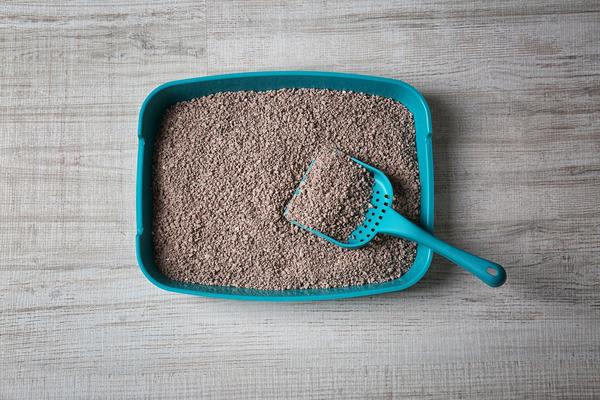
Once your feline friend is back to normal, load up the litter box with PrettyLitter and monitor their food, eating habits, and daily routine. Staying attentive can help prevent future vomiting episodes and keep your furry friend happy and healthy.
Sources:
- Best Friends. Keep your pet healthy and happy at home. https://resources.bestfriends.org/article/cat-vomiting-types-causes
- Blue Cross. Caring for your sick cat. https://www.bluecross.org.uk/pet-advice/caring-your-sick-cat
- Vets Now. Why is my cat being sick? https://www.vets-now.com/pet-care-advice/my-cat-is


