October 28, 2023 |11 min read
Do Kittens Shed? The Journey from Baby to Adult Coat

Written by




Key Takeaways
|
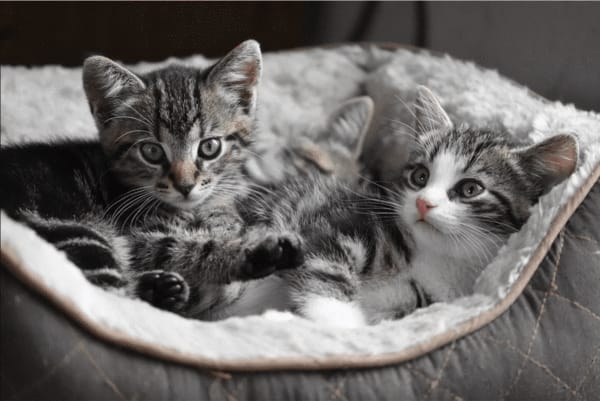
The soft, fluffy fur of a kitten is hard not to fall in love with. But as your little companion grows, you may notice more loose fur around the house and wonder: do kittens shed? Yes, they do!
As they grow, their soft baby coat gradually gives way to a more developed adult coat. So, when do kittens start shedding? The change often begins around 3–6 months and continues over the following months, depending on breed and individual development.
Kittens generally shed less visibly than adult cats at first, but you may start finding more fur on their bedding, favorite spots, and your clothes as their coat changes.
The Coat Transition Timeline
So, when do kittens start shedding? Most kittens begin changing from their soft baby coat to adult fur during their first year, although the timing varies. You may notice the first changes around 3–6 months, while the transition often becomes more noticeable between 6 and 12 months. Some large, long-haired breeds may take longer to develop their full coat, extending into their second year.
Age |
What Happens to Your Kitten’s Coat |
|
3–6 Months |
Soft, downy kitten fur starts loosening as coarser adult hairs begin to grow in. |
|
6–12 Months |
Most kittens develop their adult coat during this period, with changes in texture, length, and density. |
|
12–18 Months |
Large, long-haired breeds, such as Maine Coons and Norwegian Forest Cats, may continue developing their fuller adult coat. |
All cats shed to some degree. You can learn more about why cats shed and what influences the amount of loose fur you find around your home.[1]
What Affects the Timing
Genetics and breed traits influence how quickly a kitten’s coat develops. A Siamese cat may develop darker color points and changes in coat texture as it matures. A Cornish Rex, with its short, curly coat, may have a less noticeable shedding phase.
Single-coated cats generally shed less than cats with double or triple coats. Temperature, sunlight exposure, and nutrition can also influence coat growth and shedding patterns.
Kitten Fur vs. Adult Fur
Your kitten’s first coat is soft, fine, and fluffy, giving them that familiar baby-fur feel. It also provides insulation during their early development. As they grow, a new coat forms beneath the baby fur, gradually replacing it with hair that looks and feels different. You may notice changes in texture, length, density, and even color.
Here’s how kitten fur compares with an adult cat’s coat:[1][2]
Kitten Fur |
Adult Fur |
|
Soft, fine, and fluffy, providing insulation during early development. |
Typically denser, sleeker, and sometimes coarser or glossier. |
|
Usually shorter, with less defined coat length. |
More fully developed and often longer, particularly in long-haired breeds. |
|
Colors and patterns may appear softer or less defined. |
Colors and patterns may deepen or shift with maturity, as seen in Siamese cats. |
As your kitten’s adult coat comes in, you may notice these changes more clearly, especially around the face, back, and tail. Some cats develop more noticeable color patterns as they mature, while others retain much of their kitten-like appearance. The tabby cat coat, for example, may show more defined markings over time. These changes are a normal part of growing up, and your kitten’s coat will gradually take on the characteristics of its breed and genetics.
How Much Shedding Is Normal for a Kitten?
Kittens usually shed lightly, but you may notice more loose fur as their baby coat gives way to adult hair. The amount varies with breed, coat type, age, and individual growth patterns. Finding a little fur on your kitten’s brush, bedding, or favorite nap spot is generally normal, especially if the coat still looks full and healthy.[3][4]
Normal Shedding |
Hair Loss That Needs Attention |
|
Small amounts of loose fur on bedding or brushes. |
Noticeable thinning or areas where the coat looks sparse. |
|
Gradual shedding as the adult coat develops. |
Uneven hair loss that leaves visible gaps in the coat. |
|
Fur remains generally full and evenly distributed. |
Patches where hair is missing rather than naturally shedding. |
As long as your kitten’s coat remains full and healthy, a little loose fur is usually nothing to worry about. Keep an eye on any noticeable changes in coat density or coverage.
What to Expect During the Coat Transition
Your kitten’s coat may look a little different as new adult hair grows in. Some areas may change faster than others, and shedding patterns can also shift as your cat matures.[1][3][7]
Patchy or Uneven Fur
Hair follicles go through growth and resting phases at different times, so your kitten’s coat may look slightly uneven during the transition. Mild variations in texture or coverage can be part of normal development. However, bald patches, scabs, redness, or frequent scratching need a veterinarian’s attention.
Seasonal vs. Indoor Shedding
Adult cats typically shed throughout the year, with heavier shedding often occurring in spring and fall. Indoor cats may shed more evenly across the seasons because artificial lighting and steady indoor temperatures can affect their natural shedding cycles. Individual patterns vary, so your cat may not follow a predictable seasonal schedule.
Grooming and Care During Shedding
A little extra care can help your kitten stay comfortable as its adult coat comes in. Regular grooming, good nutrition, and a relaxed home environment all support healthy skin and fur.[5][6]
Brush Your Kitten Regularly
Gentle brushing removes loose fur, prevents tangles, and reduces the amount of hair your kitten swallows while grooming itself. Choose a soft, kitten-friendly brush and adjust how often you brush based on coat length. Short-haired kittens may need less frequent brushing than long-haired ones.
Keep sessions brief and offer treats or praise so your kitten learns to enjoy the experience.
Provide Balanced Nutrition for Healthy Fur
A growing kitten needs complete, balanced cat food with enough protein, healthy fats, and essential nutrients to support skin and coat development. Choose food formulated for kittens and follow your veterinarian’s feeding recommendations.
A balanced diet supports healthy fur, but it won’t stop normal shedding. Check with your vet before adding supplements such as omega-3s.
Maintain a Comfortable, Low-Stress Environment
Stress can lead to excessive grooming and changes in your kitten’s behavior. Give your furry companion a quiet resting spot and a predictable daily routine.
Keep the litter box in a quiet, accessible area away from food and resting spaces.
When Shedding Isn’t Normal
A little loose fur is normal as your kitten’s coat develops, especially when the skin looks healthy. However, bald patches, scabs, redness, flaky skin, or constant scratching deserve a veterinarian’s attention. These signs can point to problems such as fleas, mites, allergies, or skin infections like ringworm. Stress can also trigger excessive grooming, which may leave areas of thinning fur.
Fleas are a common cause of itching and hair loss in kittens. You can explore natural flea remedies for cats, but check with your veterinarian before trying any treatment. Kittens need age- and weight-appropriate flea care, as some products can be unsafe for young cats. If you also notice cat dandruff alongside hair loss, mention it during the veterinary visit.[3][4]
Embracing the Transition: From Fluff to Flourish
Your kitten’s soft baby fur will gradually make way for an adult coat, bringing changes in texture, length, and appearance along the way. A little loose fur is part of growing up, and regular brushing, balanced nutrition, and routine vet visits can help keep their coat healthy.
Enjoy those fluffy kitten days while they last, and pay attention to changes in their skin or fur as they mature. With a little care and patience, you’ll be there for every stage of your kitten’s journey to adulthood.

Do Kittens Shed? FAQs
How long do kittens shed?
The transition from kitten fur to an adult coat usually takes several months. It often begins around 3–6 months and continues through 6–12 months. Large, long-haired breeds may take up to 18 months to develop their full adult coat.
Do kittens shed less than adult cats?
Yes, kittens generally shed less visibly than adult cats because their baby coats are finer and less developed. You may notice more loose fur as their adult coats grow in. Shedding amounts also depend on breed, coat type, and individual growth patterns.
When do kittens start shedding?
Most kittens begin shedding their baby fur around 3–6 months of age. Their adult coat gradually replaces the softer kitten fur, with most cats completing this transition by 6–12 months. Large, long-haired breeds may take longer to develop their full coats.
Why is my kitten shedding so much?
Your kitten may shed more noticeably during the transition to an adult coat. Breed, coat type, and individual growth patterns also influence shedding. However, bald patches, redness, scabs, or frequent scratching may indicate a skin problem. Contact your veterinarian if you notice these signs.
Is patchy fur normal for kittens?
Slightly uneven fur can occur as different hair follicles grow at different rates during the coat transition. However, distinct bald patches, scabs, redness, or itching aren’t typical shedding signs. Have your veterinarian examine your kitten if you notice these changes.
Do indoor cats shed all year?
Yes, indoor cats often shed throughout the year. Artificial lighting and stable indoor temperatures can affect natural seasonal shedding patterns, making fur loss more evenly distributed. Some indoor cats still shed more heavily during spring and fall, depending on their individual coat cycles.


